
SEO
How Often Should You Blog for SEO? The Honest Answer (2026)
There is no magic posting number. For most small sites, one or two genuinely useful posts a week beats daily thin content. Here's how to choose your pace.

 By Taylor Orlando
·November 2, 2026
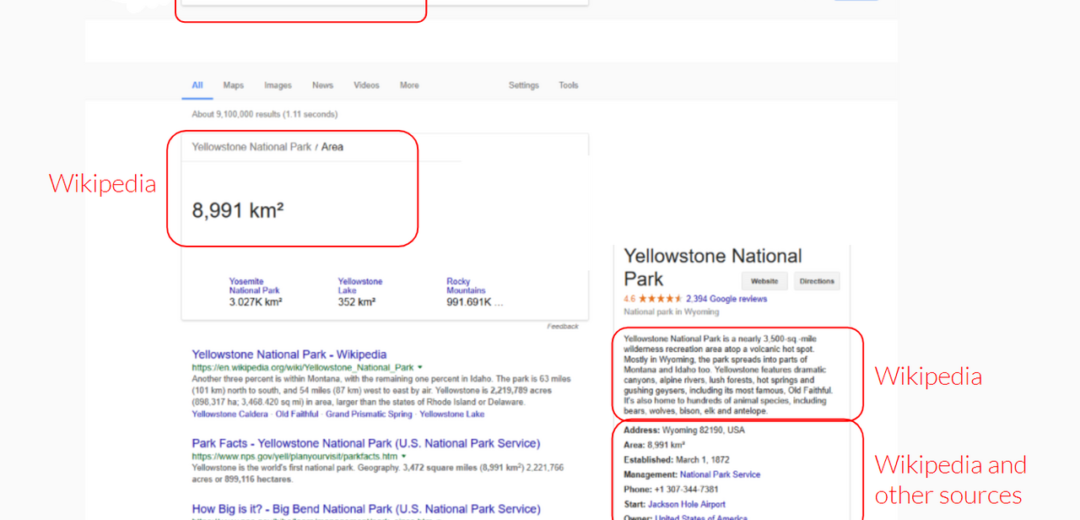
If you have ever checked an SEO score for your website, you have probably seen two numbers sitting side by side: DA and PA. DA scores your whole site. Page Authority, or PA, scores just one page. This guide explains what Page Authority is, what it actually measures, and how much attention you should give it.
Page Authority is a score from 1 to 100, created by the SEO software company Moz, that predicts how well one specific page is likely to rank in Google search results. A higher score means the page has a stronger link profile and a better chance of competing for its keyword. It is a prediction, not a promise, and it is not a number Google uses.
Page Authority looks at one URL only — not your homepage, not your whole site, just that page. Moz built it so you can compare single pages the way search engines might weigh them. A page with strong backlinks from trusted websites will score higher than a similar page with almost no links pointing at it.
The score is built mostly from link data in Moz’s own index of the web. The two heaviest inputs are how many different websites link to the page, and how strong those linking websites are. Fifty links from fifty different sites count for far more than fifty links from a single site. Moz runs those signals through a machine learning model trained against real Google search results, and the model outputs a score between 1 and 100.
One detail matters more than most guides admit: the scale is logarithmic. That means moving from a score of 20 to 30 is much easier than moving from 70 to 80. Each step up takes more effort than the last, because the pages at the top already have huge link profiles.
Page Authority and domain authority are twins, but they measure different things. Domain authority scores your entire website. Page Authority scores one page on that website. The two can disagree sharply, and that disagreement is useful.
A strong site can still have weak individual pages. If you publish a new post and nobody links to it yet, its Page Authority will be low even if your homepage scores well. On the other hand, a single well-linked guide on a small site can outrank a thin page on a famous site, because the page itself has earned links.
Think of it this way: domain authority is your site’s overall reputation, and Page Authority is one page’s personal reputation. When you are deciding whether your page can compete for a keyword, the page-level number is the more honest check.
No. Google does not use Page Authority, and it has never published a public equivalent. Google ranks pages using its own signals, many of which Moz cannot see from the outside. Page Authority is Moz’s best guess at ranking strength, built from links alone.
That does not make the score useless. Links remain one of the strongest signals Google looks at, so a score built from link data usually points in the right direction. Just do not treat it as a grade Google gave you. A page can have a high PA and still sit on page three, or a low PA and still rank first, if its content matches the search better.
There is no single good score, because Page Authority only means something in comparison. A score of 30 can be excellent in a small local niche and weak in a crowded market like personal finance. Moz itself says the same about domain authority: the number is relative.
Instead of chasing a magic number, compare your page with the pages already ranking for your keyword. If the top results score 25 to 40 and your page scores 15, you have a link gap to close. If your page already scores higher than most of the top ten, your problem is probably content or intent, not links.
As a rough guide for small business sites: scores under 20 are common for new pages, 20 to 40 is a solid working range, and anything above 50 usually belongs to pages with years of links behind them. New pages start at 1, and that is normal.
The most accurate place to check is Moz itself. Sign up for a free Moz Community account, open Moz Link Explorer, and paste in the full URL of the page. You will see its Page Authority, its domain authority, the number of linking root domains, and its top backlinks.
Moz also offers a free browser toolbar called MozBar, which shows the PA of any page you visit. That is handy when you are sizing up competitors: open a top-ranking page, glance at its PA, and you immediately know how strong a link profile you are up against.
Other SEO tools have their own page-level scores. Ahrefs calls its version URL Rating, and Semrush has an Authority Score. These are built from different link indexes, so a page’s numbers will not match across tools. Compare PA with PA and URL Rating with URL Rating, never across tools.
There is no shortcut, and anyone selling you a quick PA boost is selling links Google may penalize. The honest path is slower but it works:
Earn links to that specific page. General links to your homepage do not raise a single post’s PA much. The page itself needs links. The most reliable way is to make the page worth linking to: original data, a genuinely useful guide, a free tool, or a clear answer nobody else has written well.
Fix your internal links. Link to the page from your strongest pages — your homepage, your most-linked guides, your navigation where it fits. Internal links pass some authority to the page and help Google find it faster. This is the one lever you fully control.
Update the page instead of replacing it. When a page already has links, keep its URL and refresh the content. A new URL starts back at a score of 1, and the old links point to a dead page.
Remove or disavow toxic links only if you have a real problem. A few low-quality links will not sink a page. Worry about link quality only if you see a sudden penalty or a flood of spam links.
Be patient. New links take weeks or months to show up in Moz’s index, and scores move when Moz retrains its model even if you changed nothing. Judge progress over quarters, not days.
Chasing the number instead of the ranking. PA is a compass, not the destination. If your page ranks well and brings in customers, a low PA does not matter.
Comparing scores across tools. Moz PA, Ahrefs URL Rating, and Semrush Authority Score are different models. A PA of 30 and a URL Rating of 30 are not the same thing.
Buying links to raise the score. Paid links can lift PA in the short term and get your page penalized in the long term. Google’s spam policies are clear on this, and a penalty costs far more than the links saved.
Ignoring pages with low PA that still rank. Content quality and search intent often beat link scores. If a low-PA page outranks you, study what it answers better, not just its links.
Page Authority is Moz’s 1-to-100 prediction of how well one single page can rank in Google, based mostly on the links pointing to that page.
No. PageRank is Google’s own internal system, and Google stopped publishing public PageRank scores in 2016. Page Authority is Moz’s separate estimate.
Almost never. New pages start at 1 and build their score as they earn links. A new page on a strong site still starts low at the page level.
Yes. Scores move when you gain or lose links, and also when Moz retrains its model or updates its web index. Small ups and downs are normal and not worth chasing.
Use it as a comparison tool, not a goal. Check the PA of pages ranking for your target keywords, then focus on better content and earning real links. The score will follow.
Last updated: November 2026

Taylor Orlando is a content writer at Meregate covering websites, SEO, and AI. Taylor breaks down complex topics into simple, practical guides that help small businesses build better websites, rank higher on Google, and get real value from AI tools — no jargon, no fluff.
There is no magic posting number. For most small sites, one or two genuinely useful posts a week beats daily thin content. Here's how to choose your pace.
A simple, rule-safe routine for getting more Google reviews: your review link and QR code, when to ask, what to say, and how to reply.

Blogging still helps SEO in 2026 — but only when posts answer real searches. Here is how blogging lifts rankings, when it fails, and how to do it right.