
Ai
AI Tools for Doctors: 12 Tools That Save You Time (2026)
12 AI tools that help doctors write notes faster, find answers, and cut paperwork — with honest prices and HIPAA safety rules.

 By Taylor Orlando
·November 11, 2026
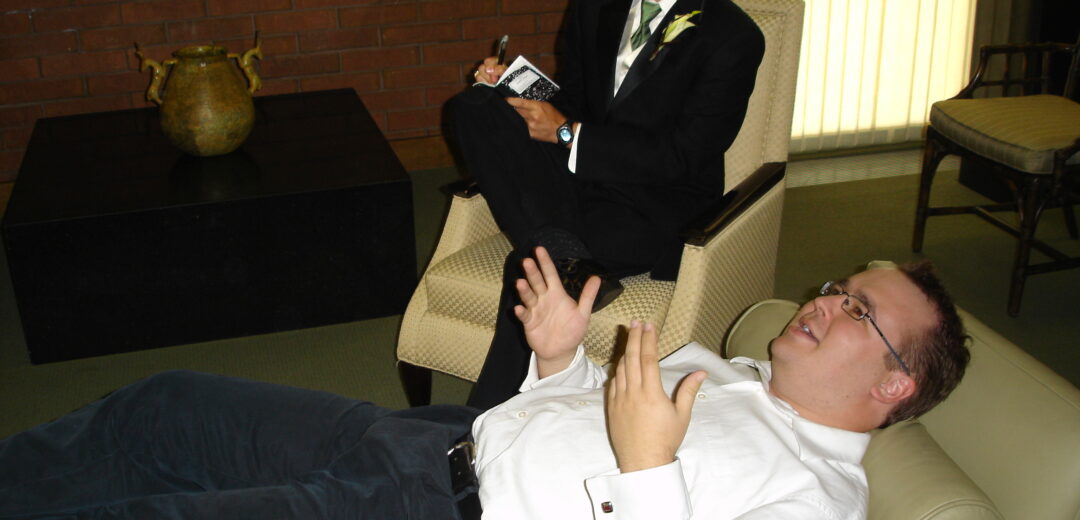
AI tools for therapists can cut hours of paperwork every week. The best ones turn a 50-minute session into a finished progress note in a few minutes, handle intake forms, and even help with scheduling and billing. But not every AI tool is safe for therapy work. Some record audio, some store client data, and some are not HIPAA-compliant at all. This guide covers 12 AI tools for therapists, with real prices checked in November 2026, free-plan limits, and the privacy questions you should ask before you sign up.
Last updated: November 2026. Prices change often, so check the tool’s own pricing page before you buy.
Most AI tools for therapists fall into four groups. Knowing which group a tool belongs to makes choosing much easier.
AI note writers. You type a short summary after the session, or dictate a few lines, and the tool turns it into a SOAP, DAP, or BIRP note. No audio is recorded. This is the lowest-risk option.
AI scribes. These listen to the session (live or from a recording) and write the note for you. They save the most time, but they also need the most care: you need client consent, and you need to know what happens to the recording after.
Practice admin tools. These handle intake, scheduling, reminders, client messages, billing, and insurance claims.
Outcome measurement tools. These track client progress with standard measures like the PHQ-9 and GAD-7, so you can see change over time.
General chatbots like ChatGPT and Claude are not a fifth group. They can help you draft a worksheet or a treatment-plan outline, but they were not built for clinical notes, and on most plans they are not HIPAA-compliant. More on that below.
Heidi is an AI scribe built for clinicians, and it is one of the few tools with a genuinely useful free plan. The free plan includes unlimited AI notes and a clinical question-and-answer feature with citations.
Best for: therapists who want a free scribe that works from day one.
Price: free plan at $0. The Clinician plan costs $110 per user per month when billed yearly, with a 14-day free trial. Trainees get the Clinician plan free.
Privacy: Heidi says its security is HIPAA-compliant, and its free tier does not train models on your data. As with every tool here, get the business associate agreement (BAA) in writing before you use it with real clients.
Upheal is one of the most complete tools on this list. It writes notes in many formats, including SOAP, DAP, and EMDR notes, and it can also run scheduling, telehealth, invoicing, and insurance billing if you add the Assistant Pro plan.
Best for: solo therapists who want notes plus practice admin in one place.
Price: free plan with unlimited basic notes and session summaries. AI Notes costs $39 a month flat, with unlimited sessions. Assistant Pro adds $39 a month. Students get 50% off for the first 12 months. There is a 14-day trial and a 30-day money-back guarantee.
Privacy: recordings are deleted by default, you can opt out of AI training, and Upheal says it is 100% HIPAA-compliant.
Mentalyc is a note writer made for psychologists, licensed marriage and family therapists, licensed professional counselors, and social workers. It supports SOAP, DAP, BIRP, and GIRP formats, plus intake notes and biopsychosocial assessments.
Best for: therapists who want a lot of note formats and a clear per-note price.
Price: on yearly billing, Mini is $14.99 a month for 40 notes, Basic is $29.99 for 100 notes, Pro is $59.99 for 160 notes, and Super is $99.99 for 330 notes. Monthly billing costs more. A 14-day free trial gives full Pro access with no credit card needed.
Freed is a general medical AI scribe that many therapists use. It listens to the session and produces a note, and it does not store patient recordings.
Best for: therapists who want a simple scribe and are ready to pay for unlimited notes.
Price: Starter is $39 a month for 40 notes, with a 10-visit free trial. Core is $79 a month for unlimited notes and custom templates. Premier is $119 a month, or $104 a month billed yearly, and adds a custom AI model, EHR integration, and visit prep. There is a 7-day free trial with no credit card.
Freed is often called expensive by therapists on Reddit, so compare its per-note cost with Mentalyc or Blueprint before you commit.
Blueprint charges by the session instead of by the month, which makes it a good fit for part-time therapists. It covers session prep, progress notes, treatment plans, client worksheets, and measurement-based care.
Best for: part-time therapists and anyone who hates monthly subscriptions.
Price: $0.99 per session if you use it next to your own EHR, with 5 free sessions to start. The all-in-one EHR version costs $1.49 per session with a 30-day free trial. There is a 60-day money-back guarantee and no monthly fee.
Quill is a note writer, not a scribe: it builds notes from the written summary you give it, so nothing is recorded. That makes it one of the simplest tools to use with privacy rules.
Best for: therapists who do not want any audio recording in their practice.
Price: $20 a month for unlimited notes, treatment plans, and templates. Team pricing is $20 a month for the first user and $16 a month for each extra user. The free trial covers 5 notes, 5 treatment plans, and 5 templates, with no credit card needed.
Supanote is a therapy-notes tool with EHR integration and a group-therapy option on its top plan. It also includes consent forms and a BAA from the Starter plan up.
Best for: group practices and therapists who need EHR integration.
Price: a 14-day free trial with full access. Starter is $19.99 a month for 40 notes a month. Pro is $39.99 a month for unlimited notes and EHR integration. XL is $69.99 a month and adds group therapy sessions.
Klarify (its assistant is called Klara) is a Canadian tool that is clear about privacy: it says it will never train AI on your data, never sell it, and never share it. It supports more than 20 note formats, including EMDR, CBT, ACT, and IFS, and it can help with insurance claims and client homework.
Best for: therapists who want clear usage limits and strong privacy promises.
Price: Seed is free for 10 sessions a month. Sprout is $16 a month for 70 sessions, Bloom is $32 for 130 sessions, and Forest is $71 a month for unlimited sessions. Yearly billing saves 20%, and there is a 14-day free trial.
Eleos is built for community behavioral-health organizations rather than solo therapists. It works with more than 300 organizations and cites HIPAA, HITRUST, SOC 2, and ISO 27001 compliance.
Best for: agencies and group practices, not solo therapists.
Price: Eleos does not publish prices. You have to book a demo and get a quote.
ChatGPT can help with the non-clinical side of therapy work: drafting a worksheet, brainstorming a treatment-plan outline, or writing a client handout. It should not be your note taker.
Best for: general writing help, not client notes.
Price: free plan at $0, Go at $8 a month, Plus at $20 a month, and Pro from $100 a month.
Privacy warning: the individual pricing page gives no HIPAA or BAA statement. Do not paste client notes or session details into a personal ChatGPT account. If you use it at all, keep it to de-identified, general material.
Claude works much like ChatGPT for therapists: good for drafting documents, summarizing research, and planning sessions. It is not a note-taking tool.
Best for: writing and planning help.
Price: free plan at $0, Pro at $20 a month ($17 a month billed yearly), Max at $100 a month, and Ultra at $200 a month.
Privacy warning: Claude is only HIPAA-ready on its Team and Enterprise plans. The Free, Pro, Max, and Ultra plans are not HIPAA-ready, so they should never hold client information.
Otter transcribes meetings and conversations, and some therapists use it to capture session audio. It is a general transcription tool, not a therapy tool, so it will not write a SOAP note for you.
Best for: therapists who only need a transcript and will write the note themselves.
Price: Basic is free with 300 transcription minutes a month. Pro is $8.33 per user per month billed yearly, with 1,200 minutes a month. Business is $19.99 per user per month billed yearly.
Privacy warning: HIPAA compliance is only available as an Enterprise add-on. The regular plans are not a safe place for session audio.
| Tool | Starting price | What it is | Best for |
|---|---|---|---|
| Heidi Health | Free | AI scribe | Free, unlimited notes |
| Upheal | Free | Scribe + practice admin | All-in-one practice |
| Mentalyc | $14.99/mo (yearly) | Note writer | Many note formats |
| Freed | $39/mo | AI scribe | Simple, unlimited notes |
| Blueprint | $0.99/session | Notes + treatment plans | Part-time therapists |
| Quill | $20/mo | Note writer | No recording at all |
| Supanote | $19.99/mo | Notes + EHR | Group practices |
| Klarify | Free | Scribe + claims | Clear privacy promises |
| Eleos | Demo only | Agency platform | Agencies, not solo |
| ChatGPT | Free | General chatbot | Drafting, not notes |
| Claude | Free | General chatbot | Writing and planning |
| Otter.ai | Free | Transcription | Transcripts only |

Three tools on this list have a real free plan: Heidi (unlimited notes), Upheal (unlimited basic notes), and Klarify (10 sessions a month). Those are the best places to start if you want to test AI notes without paying.
Watch out for two traps. First, some free plans are only trials with a time limit. Second, privacy rules can change between free and paid plans. For example, Claude is HIPAA-ready only on Team and Enterprise plans, and Otter only offers HIPAA compliance on Enterprise. A free plan that is fine for drafting a worksheet is not automatically fine for client notes.
More than half of psychologists used AI at work in 2025, up from 29% in 2024, according to the American Psychological Association’s 2025 Practitioner Pulse Survey. That growth makes the privacy check more important, not less. Before you use any AI tool with client information, check these five things.
1. Will they sign a BAA? A business associate agreement is the contract that makes a vendor responsible for protecting health information. If a tool will not sign one, stop there.
2. What happens to the audio? Good scribes delete the recording after the note is made, or never store it at all. Ask how long audio is kept and whether you can delete it yourself.
3. Is your data used to train AI? Some tools train their models on user data by default. Look for a clear promise that clinical data is not used for training, and check whether you have to opt out.
4. How is data protected? Look for encryption in transit and at rest (TLS 1.2 or better, AES-256), access controls, and audit logs that show who opened a record.
5. What happens in a breach? The vendor should have a breach notification process and tell you how fast they will inform you.
AI scribes record the session, and that raises the consent bar. Note writers that work from your typed summary do not record anything, so they need far less paperwork.
If you use a scribe, tell clients in plain words before the first recorded session: what is being recorded, why, where the recording goes, how long it is kept, and that they can say no. Get that consent in writing, and keep a copy. Some states require every person in the room to agree to a recording, so check your own state’s rules. For couples or group sessions, every adult in the room needs to agree.
If a client says no, have a backup plan: dictate a summary after the session, or use a note writer like Quill that never records. Never record a session without consent.
Start with your caseload. If you see 15 or more clients a week, a per-session price like Blueprint’s $0.99 can cost more than a flat monthly plan. Do the math: 20 sessions a week is about 80 sessions a month, so $0.99 a session is roughly $79 a month. A flat $39 plan would be cheaper. If you see 5 clients a week, per-session pricing wins.
Decide if you want recording. If the idea of recording sessions makes you uneasy, pick a note writer (Mentalyc, Quill) and skip the scribes.
Check your EHR first. If you already use an EHR with scheduling and billing, you may only need a note tool. If you do not have an EHR, an all-in-one option like Upheal or Blueprint’s EHR plan can replace several subscriptions.
Try the free plan for two weeks. Run the tool on real sessions, time how long notes take, and read every note before you sign it. If the notes need heavy fixing, the tool is not saving you time.
Students and trainees: ask about discounts before you pay. Heidi gives its Clinician plan free to trainees, and Upheal gives students 50% off for the first year.
Signing a note you did not read. AI notes can sound confident and still be wrong. They can invent details, miss a risk factor, or mix up two clients. Read every note, fix it, and then sign it. The note is yours, not the AI’s.
Pasting client details into a general chatbot. Free ChatGPT, Claude, and Otter plans are not HIPAA-ready. Keep client information out of them.
Using a consumer therapy app as a practice tool. Apps like Wysa, Replika, and Youper are made for people who want self-help support, not for therapists running a practice. They do not write clinical notes and they do not fit a therapist’s workflow.
Letting the tool replace the relationship. AI can write the note, but it cannot do the therapy. If a tool starts shaping how you listen or what you ask, step back and reset the boundary.
There is no single best tool. Heidi is the strongest free option, Upheal is the most complete all-in-one, Mentalyc is a solid choice if you want many note formats, and Blueprint is the cheapest option for part-time therapists. Pick based on your caseload, your EHR, and whether you are comfortable recording sessions.
It depends on the tool and the plan. Tools built for therapists, like Heidi, Upheal, Mentalyc, Freed, Quill, and Supanote, are designed to be HIPAA-compliant, but you still need a signed BAA. General tools are often not compliant: Claude is HIPAA-ready only on Team and Enterprise plans, and Otter only offers HIPAA compliance on Enterprise. Never assume a tool is compliant because its website says so.
No. AI scribes record audio, but AI note writers like Mentalyc and Quill work from the short summary you type or dictate after the session. If you do not want to record, choose a note writer.
Heidi’s free plan is the strongest, with unlimited AI notes at $0. Upheal’s free plan is also good, with unlimited basic notes and summaries. Klarify’s free plan covers 10 sessions a month. All three let you test real AI notes before paying anything.
ChatGPT can draft a note from text you give it, but you should not use it for real client notes. Its personal plans do not come with a BAA, so putting client information into it breaks HIPAA rules. Use a therapist-built tool instead.
Free plans cover basic notes at $0. Paid plans run from about $15 a month (Mentalyc’s yearly Mini plan) to $110 a month (Heidi’s Clinician plan), and per-session tools like Blueprint cost about $1 a session. Most therapists pay between $20 and $60 a month.
AI tools can take the paperwork off your plate, but they cannot take the responsibility. Pick a tool built for therapists, get the BAA, tell your clients what you are using, and read every note before you sign it.

Taylor Orlando is a content writer at Meregate covering websites, SEO, and AI. Taylor breaks down complex topics into simple, practical guides that help small businesses build better websites, rank higher on Google, and get real value from AI tools — no jargon, no fluff.
12 AI tools that help doctors write notes faster, find answers, and cut paperwork — with honest prices and HIPAA safety rules.

The 12 best AI tools for HR in 2026, picked for small and midsize teams — with honest prices, free plans, and the legal rules to know before you use AI in hiring.

Twelve AI tools that cut data entry, speed up month-end close, and help with tax research — with honest prices and a starter plan for small firms.