Ai
AI Tools for Therapists: 12 Tools That Save You Time (2026)
12 AI tools for therapists with real prices, free plans, and HIPAA checks — find the best AI note taker for your practice.

 By Taylor Orlando
·November 11, 2026
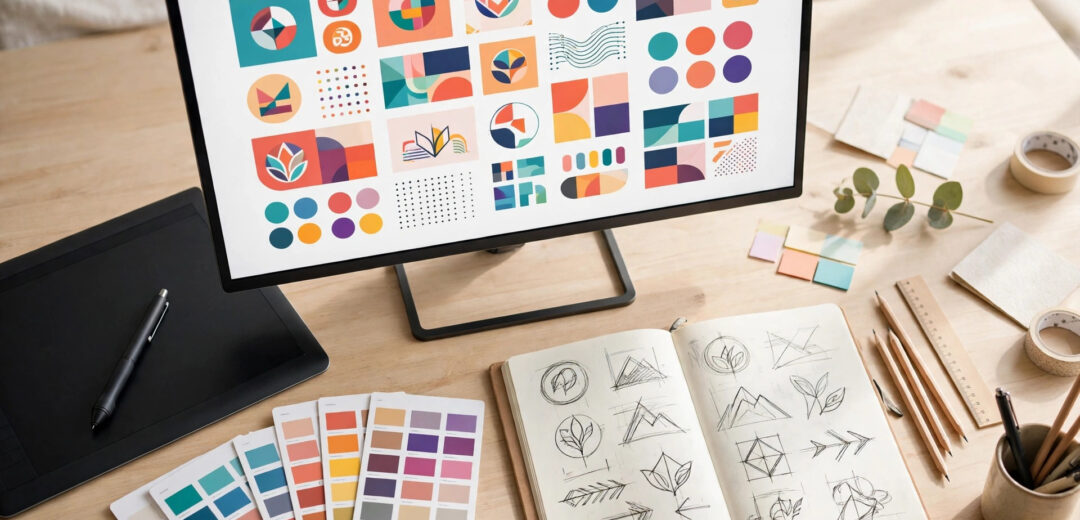
AI tools for designers are everywhere now, and most lists just name 15 tools and stop there. That does not help you pick one. This guide does something different: 12 tools that working designers actually use, with honest free-plan limits, real prices checked in November 2026, and clear advice on who owns the images you make.
Use this guide if you design logos, social posts, websites, or product screens and want AI to speed up the boring parts — without paying for five subscriptions you do not need.
Last updated: November 2026. Prices change often, so check the vendor’s pricing page before you pay.
| Tool | Best for | Free plan | Starts at |
|---|---|---|---|
| Canva Magic Studio | Social posts and fast marketing design | Yes, with limits | $15/month (Pro) |
| Adobe Firefly | Commercially safe images inside Adobe apps | Yes, daily generations | $9.99/month |
| Figma AI | UI and product design | Yes (Starter) | $16/editor/month |
| Midjourney | Striking, artistic images and moodboards | No | $10/month |
| Recraft | Logos, icons, and vector graphics | Yes, personal use only | $12/month |
| Ideogram | Posters and graphics with readable text | Yes, 30 credits/week | $20/month |
| Kittl | Typography-led design and merch | Yes, personal use only | $12/month |
| Khroma | Colour palettes | Yes, fully free | Free |
| Fontjoy | Font pairing | Yes, fully free | Free |
| Looka | Quick logo concepts for new brands | Free to design | $35 one-time |
| ChatGPT | Ideas, briefs, and first drafts | Yes, with limits | $20/month (Plus) |
| Designs.ai | Logos, video, and copy in one suite | Free to try | $9.99/month |
Best for: social posts, ads, and marketing graphics at speed. Free plan: yes — the free plan covers the editor, templates, and a monthly AI allowance. Starts at: Pro from $15 a month (monthly billing), or $120 a year.
Canva is the fastest tool on this list for everyday design work. Magic Studio adds AI image generation, background removal, Magic Resize (one design, many sizes), and a Brand Kit that keeps your colours and fonts in one place. If you make social content every week, this is the tool that saves the most hours.
Watch out for: the free plan’s AI allowance runs out fast if you generate a lot. And Canva is not a print-production tool — check export quality before you send anything to a printer.
Best for: designers who already use Photoshop or Illustrator and need images they can use for client work. Free plan: yes — limited daily generations across image, video, and audio (Adobe does not publish the exact daily number). Starts at: $9.99 a month for Standard, with 2,000 generative credits a month.
Firefly’s big selling point is safety: it is trained on licensed Adobe Stock content, so the images it makes are described as safe for commercial use. It lives inside Photoshop (Generative Fill) and Illustrator (Text to Vector), so you never leave your normal workflow. Paid plans include unlimited standard image generations; credits pay for video, audio, and partner models.
Watch out for: the free tier is for trying, not for steady work — the daily cap bites quickly. Also, the IP indemnity Adobe talks about applies to enterprise customers, not to individual plans.
Best for: UI and product designers working in teams. Free plan: yes — the Starter plan is free and covers learning and small projects. Starts at: $16 per editor a month on annual billing ($20 month to month) for Professional.
Figma AI helps with the small jobs inside interface design: renaming layers, rewriting placeholder copy, finding similar layers, and drafting a first version of a screen with Figma Make. The real value is still Figma itself — live collaboration, shared libraries, and developer handoff in one file.
Watch out for: AI-generated screens look neat but are usually generic. Treat them as a starting sketch, not a finished design. Research from the Nielsen Norman Group found that wireframe and prototype generation still needs a lot of human fixing, and no tool yet handles design systems well.
Best for: rich, artistic images, moodboards, and concept art. Free plan: none — there is no free tier, and free trials ended in 2023. Starts at: $10 a month for Basic, with about 3.3 fast GPU hours (roughly 200 images).
Midjourney still makes the most striking images of any tool here, especially from short prompts. Use it for moodboards, pitch visuals, and early concepts that set a look and feel. Paid subscribers own the images they make and can use them commercially, though companies with over $1 million in yearly revenue need a Pro or Mega plan for commercial work.
Watch out for: on Basic and Standard, your prompts and images are public by default. Private work (Stealth mode) needs the Pro plan at $60 a month. And when the fast hours run out, Basic has no slower free mode to fall back on — generation simply stops until next month.
Best for: logos, icons, illustrations, and mockups you can edit as vectors. Free plan: yes, but for personal use only — 3 generations per style a day and 3 downloads a day, and free-plan images are owned by Recraft, public, and not licensed for commercial use. Starts at: $12 a month ($10 on annual billing) for Basic, with 1,000 credits a month and full commercial rights.
Recraft is the only tool here that makes true editable vector files (SVG) straight from a prompt. That matters: a logo that starts as a vector can scale to a billboard without going blurry. You can also set a brand style once and keep every image on-brand.
Watch out for: never use free-plan images in client work. The free tier is a demo — the licence only starts when you pay.
Best for: posters, book covers, and social graphics where the text has to be spelled right. Free plan: yes — 30 free credits a week, but only if you sign in with Google, Apple, or Microsoft (email-and-password accounts get none), and everything you make is public. Starts at: $20 a month for Plus ($15 on annual billing), with 2,400 priority credits and unlimited slow credits.
Most image tools mangle words. Ideogram is built to render text cleanly inside images, which makes it the best pick here for anything with a headline, a quote, or a product name on it.
Watch out for: free images are public by default. Private generation comes with a paid plan.
Best for: typography-led design — T-shirts, posters, merch, and vintage-style graphics. Free plan: yes, for personal use only, with 100 one-time AI tokens. Starts at: from $12 a month on annual billing for Pro, with a commercial licence for up to 500,000 copies.
Kittl pairs AI image generation with a real design editor, strong text tools, and mockups that show your design on a shirt or a mug. It is a good fit for print-on-demand sellers and designers who sell merch.
Watch out for: the free plan bars commercial use, so you need Pro before you sell a single design. Free exports are also capped in size, so check the resolution before you print.
Best for: picking colour palettes that actually work together. Free plan: yes — fully free. Starts at: free.
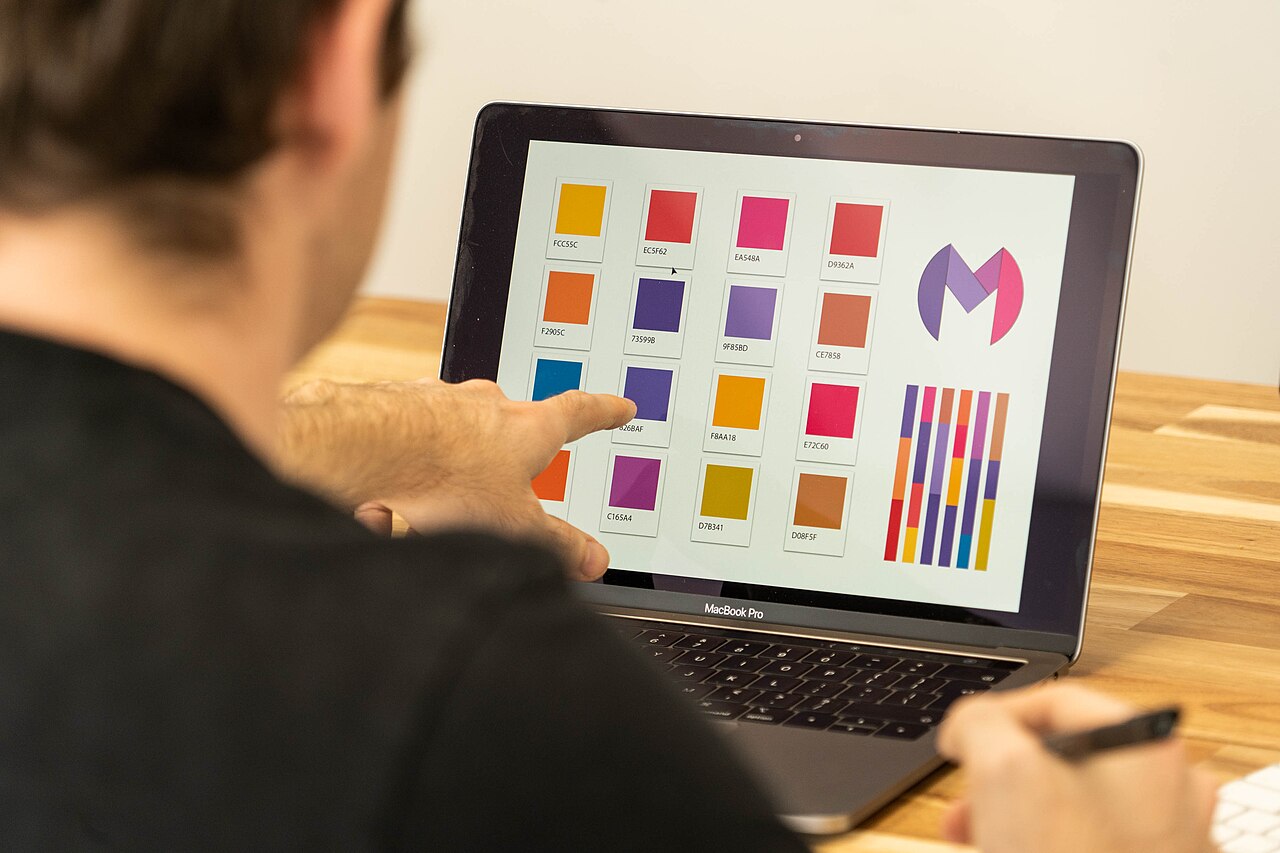
Khroma learns from the colours you like and builds palettes from them. It also shows contrast ratios, so you can check whether your text will be readable — a small thing that matters a lot for accessibility.
Watch out for: nothing, really. It is free, fast, and does one job well. Pair it with any tool on this list.
Best for: pairing fonts. Free plan: yes — fully free. Starts at: free.
Pick one font you like, and Fontjoy suggests fonts that pair with it for headings and body text. It is a five-minute job that saves beginners from the most common design mistake: two fonts that fight each other.
Best for: fast logo concepts when a new business needs something presentable this week. Free plan: free to design — you only pay to download. Starts at: $35 one-time for a Basic logo package (one low-resolution PNG), or $72 one-time for Premium (high-resolution PNG, PDF, SVG, and EPS, with full ownership). The Brand Kit is $96 a year.
Looka asks about your business, style, and colours, then shows logo ideas you can edit. Designing costs nothing, so it is a useful way to explore directions before you commit.
Watch out for: the $35 Basic package only gives you one low-resolution PNG — not enough for real business use. Budget for Premium if the logo is going on anything bigger than a social avatar. Also, you own the logo as a whole, but not the individual symbols inside it, and trademark registration is not included.
Best for: the first 30% of a project — ideas, moodboard directions, briefs, colour ideas, and copy drafts. Free plan: yes, with limits. Starts at: $20 a month for Plus.
ChatGPT is not a design tool, and it will not replace Figma or Photoshop. But designers use it every day for the thinking work around design: turning a messy client brief into a clear plan, writing ten headline options, or describing a visual direction before any pixels exist. A 2025 survey of 400+ designers found most use AI in the first 30% of the workflow — research, moodboarding, and ideation.
Watch out for: do not paste client files or confidential briefs into a chatbot without checking your client’s rules and the tool’s data settings. And always check its facts — it can sound sure while being wrong.
Best for: small teams that want logos, video, and marketing copy from one subscription. Free plan: free to try and design; downloads need a paid plan. Starts at: $9.99 a month on annual billing for the Go plan.
Designs.ai bundles a logo maker, video maker, and copy tools in one place. It is not the best at any single job, but it is handy if you need a bit of everything and want one bill instead of three.
Watch out for: the Go plan carries a standard licence; check the licence terms before using assets in paid ads or products you sell.
If you are starting from zero and do not want to spend anything yet, this stack covers most beginner work:
Use this stack for a month. When you hit a limit every week — the Canva AI allowance, the Firefly daily cap, or a client asking for vector files — that limit tells you exactly which tool to pay for first.
Match the tool to the job, not to the hype:
| If you mostly do… | And your budget is… | Start with |
|---|---|---|
| Social posts and ads | $0 | Canva free |
| Social posts and ads | About $15/month | Canva Pro |
| Client work in Adobe apps | About $10/month | Adobe Firefly Standard |
| UI and app screens | $0, then $16/editor | Figma Starter, then Professional |
| Logos and icons | About $12/month | Recraft Basic |
| One-off logo for a new business | One-time $72 | Looka Premium |
| Posters with text | $0, then $20/month | Ideogram free, then Plus |
| Concept art and moodboards | $10/month | Midjourney Basic |
One rule saves the most money: pay for one tool and use it hard for a month before you add a second. Most designers need two paid tools at most — one for making images, one for laying out the final design.
This is the question most lists skip, and it matters the moment a client pays you.
Almost no roundup mentions this. When you upload a client’s brand files or an unreleased product photo to an AI tool, that file may be stored on the tool’s servers, and some tools use uploads to improve their models. Before you upload client work, check the tool’s data settings for an opt-out, and check whether your client agreement or NDA allows it at all. If the work is confidential, keep it in tools you control.
Honest limits, so you know what to expect:
It depends on the job. Canva Magic Studio is the best all-round pick for social and marketing design, Adobe Firefly is the safest for professional client work, and Midjourney makes the most striking images for concepts and moodboards.
Canva’s free plan covers the most real work at $0, and Khroma and Fontjoy are fully free. For AI image generation, Adobe Firefly’s free tier gives daily generations, but the cap is low. Recraft’s free plan is useful for testing, not for client work.
No. AI handles the first part of the work — ideas, drafts, and routine edits — but clients still need a human for taste, brand judgment, print-ready files, and legal ownership of the final design. Research from the Nielsen Norman Group found that AI design tools are only slightly better than they were a year ago, and the narrow, specific features are the ones that actually help.
Not really. ChatGPT helps with ideas, briefs, and copy, and it connects with Canva, but it is not a design editor. For the design itself you still need a tool like Canva, Figma, or Photoshop.
Yes, if the tool’s licence allows it. Adobe Firefly outputs are described as safe for commercial use, and paid Midjourney, Recraft, and Ideogram plans grant commercial rights. Free plans usually do not — check the licence on the tool’s own site before you deliver anything.
Not at first. The $0 starter stack in this guide — Canva free, Khroma, Fontjoy, and Firefly’s free tier — covers beginner work. Pay when a free limit blocks you every week, and pay for the tool that removes that exact limit.
Last updated: November 2026

Taylor Orlando is a content writer at Meregate covering websites, SEO, and AI. Taylor breaks down complex topics into simple, practical guides that help small businesses build better websites, rank higher on Google, and get real value from AI tools — no jargon, no fluff.
12 AI tools for therapists with real prices, free plans, and HIPAA checks — find the best AI note taker for your practice.

12 AI tools that help doctors write notes faster, find answers, and cut paperwork — with honest prices and HIPAA safety rules.

The 12 best AI tools for HR in 2026, picked for small and midsize teams — with honest prices, free plans, and the legal rules to know before you use AI in hiring.