How To Find the Best “Bird Watching Near Me” in Minnesota
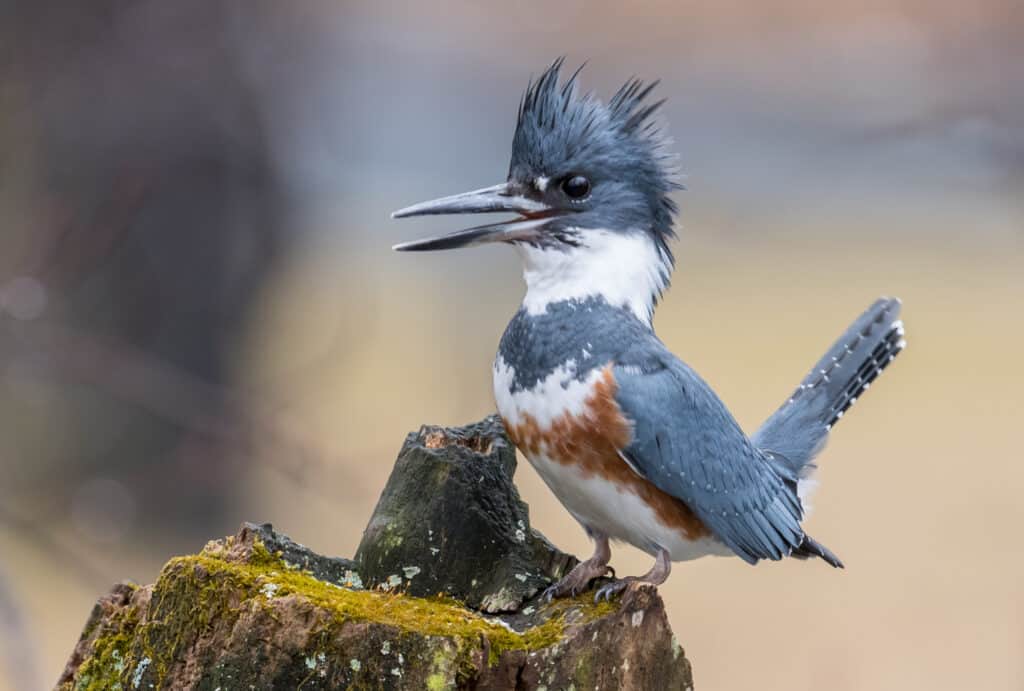
Minnesota, often referred to as the “Land of 10,000 Lakes,” is not only a haven for outdoor enthusiasts but also a paradise for bird watchers. With its diverse landscapes, from expansive prairies to dense forests, Minnesota offers a rich and varied habitat for an array of bird species. If you’re an avid bird watcher or a novice looking to delve into the world of avian observation, finding the best “bird watching near me” in Minnesota is an exciting journey waiting to unfold.
Understanding the Local Habitats:
Minnesota’s varied ecosystems contribute to its diverse bird population. Before embarking on your bird-watching adventure, it’s crucial to understand the different habitats within the state.
- Wetlands and Lakeshores: Minnesota boasts numerous lakes and wetlands, making it a haven for water-loving bird species. Areas such as the Boundary Waters Canoe Area Wilderness and the Itasca State Park are renowned for attracting waterfowl like loons, ducks, and herons.
- Deciduous and Coniferous Forests: The dense forests of Minnesota are home to a variety of woodland birds. The Superior National Forest and the Chippewa National Forest are ideal locations to spot warblers, woodpeckers, and owls among the trees.
- Prairies and Grasslands: The vast prairies of southern Minnesota provide a unique habitat for grassland birds. Keep an eye out for species like meadowlarks, bobolinks, and various sparrows in locations such as Blue Mounds State Park.
Finding Birding Hotspots:
Now that you’re familiar with Minnesota’s diverse habitats, let’s explore some of the best birding hotspots across the state.
- Minnesota Valley National Wildlife Refuge: Located near the Twin Cities, the Minnesota Valley National Wildlife Refuge offers a blend of wetlands, woodlands, and grasslands. It’s an excellent spot for observing waterfowl, raptors, and songbirds. Trails like the Long Meadow Lake Unit provide immersive birding experiences.
- Duluth and Lake Superior Shoreline: Duluth, situated on the shores of Lake Superior, is a prime location for observing migratory birds. Hawk Ridge is renowned for its raptor migration, where thousands of birds, including eagles and falcons, pass through during the fall.
- Itasca State Park: Known as Minnesota’s oldest state park, Itasca State Park is not only home to the headwaters of the Mississippi River but also hosts a diverse range of bird species. Explore the park’s trails to encounter woodpeckers, warblers, and waterfowl.
- Sherburne National Wildlife Refuge: Northeast of the Twin Cities, Sherburne National Wildlife Refuge offers a mix of grasslands and wetlands. The Oak Savanna Trail is a favorite among bird watchers, providing opportunities to spot sandhill cranes, trumpeter swans, and various waterfowl.
- Blue Mounds State Park: In southwestern Minnesota, Blue Mounds State Park is known for its expansive prairies. The tallgrass prairie landscape is a haven for grassland birds like western meadowlarks, bobolinks, and upland sandpipers.
Tools for Bird Identification:
As you embark on your bird-watching journey, it’s essential to equip yourself with the right tools for bird identification. Consider using field guides, binoculars, and birding apps to enhance your birding experience.
- Field Guides: Carry a reliable field guide specific to the birds of Minnesota. Books such as “The Sibley Guide to Birds” or mobile apps like Merlin Bird ID can help you quickly identify the birds you encounter.
- Binoculars: Invest in a good pair of binoculars for a closer look at birds in their natural habitat. Opt for binoculars with a comfortable grip and suitable magnification for bird watching.
- Birding Apps: Smartphone apps like eBird and Audubon Bird Guide provide real-time bird sightings and help you keep track of your own observations. These apps often include audio recordings of bird calls, aiding in identification.
Responsible Bird Watching:
As you immerse yourself in the world of bird watching, it’s crucial to practice responsible and ethical birding. Follow these guidelines to ensure a positive impact on both the birds and their habitats:
- Stay on Designated Trails: Stick to established trails to avoid disturbing nesting areas and fragile ecosystems.
- Respect Wildlife Distances: Use binoculars and zoom lenses to observe birds from a distance, minimizing disturbance to their natural behaviors.
- Practice Leave No Trace: Carry out all your trash, respect wildlife, and leave the environment as you found it.
- Be Mindful of Breeding Seasons: During breeding seasons, some areas may be restricted to protect nesting birds. Check for seasonal guidelines before planning your visit.
Conclusion:
Minnesota’s diverse landscapes and rich ecosystems make it a haven for bird watchers. Whether you’re a seasoned birder or a beginner, exploring the best “bird watching near me” in Minnesota promises a rewarding and enriching experience. As you traverse the state’s parks, refuges, and shorelines, remember to embrace the beauty of nature while practicing responsible bird watching. With the right tools, a curious spirit, and a love for avian wonders, you’re sure to uncover the hidden gems of Minnesota’s birding paradise.