High School Student Resume: Examples, Skills & No-Experience Guide

Writing your first resume can feel difficult when you are still in high school. You may not have a long work history, professional references, or years of experience to list. That does not mean you have nothing valuable to show.
A strong high school student resume can highlight your education, relevant skills, school projects, volunteer work, extracurricular activities, awards, certifications, and any part-time or informal work you have actually done. The goal is to show an employer what you can contribute, even if this is your first job application.
What Should a High School Student Resume Include?
For most high school students applying for a first job, internship, volunteer position, or similar opportunity, a simple one-page resume is enough. The exact sections can change depending on what you have done and what you are applying for.
| Resume section | What to include |
|---|---|
| Contact information | Name, phone number, professional email, and location |
| Summary or objective | Short statement connecting your strengths to the opportunity |
| Education | High school, expected graduation date, GPA if useful, relevant coursework |
| Experience | Jobs, babysitting, tutoring, family business work, or other real responsibilities |
| Skills | Relevant technical and transferable skills you can genuinely demonstrate |
| Activities | Clubs, sports, leadership, school organizations, and community involvement |
| Volunteer work | Organization, role, dates, responsibilities, and results where possible |
| Awards and certifications | Relevant academic awards, training, licenses, or certifications |
High School Student Resume Example With No Experience
You do not need to write “I have no experience” on your resume. Instead, use the experience you do have to demonstrate useful qualities.
Austin, TX | 512-555-0148 | jordan.miller@email.com
OBJECTIVE
Motivated high school junior seeking a part-time customer service position. Strong communication, teamwork, and organization skills developed through school activities, volunteer work, and team projects.
EDUCATION
Westview High School, Austin, TX
Expected Diploma: May 2028
Relevant coursework: Business, Computer Applications, English Composition
SKILLS
Customer communication • Teamwork • Time management • Google Docs • Microsoft Office • Organization
VOLUNTEER EXPERIENCE
Community Food Pantry Volunteer | Austin, TX
June 2026 – Present
• Help organize donated food and prepare packages for community members.
• Work with other student volunteers to complete assigned tasks on schedule.
• Follow instructions and maintain an organized work area.
ACTIVITIES
• Member, Student Council
• Junior Varsity Soccer Team
• Technology Club
This example works because it does not try to make a student look like an experienced professional. It presents real activities and responsibilities in a way that shows reliability, communication, teamwork, and organization.
How to Write a High School Student Resume Step by Step
1. Start With Your Name and Contact Information
Put your name at the top in a larger, easy-to-read font. Under it, provide a phone number, professional email address, and city and state. A LinkedIn profile or portfolio can be included if it is relevant and complete.
Use an email address that looks professional. An address based on your name is generally a safer choice than one containing jokes, nicknames, or random numbers.
2. Add a Short Summary or Objective
A short summary can quickly explain who you are and what you offer. If you have very little experience, an objective can also work well when it is specific to the role.
Instead of writing “I am a student looking for any job,” connect your strengths to the opportunity. For example, a student applying to a retail position might mention communication, teamwork, organization, and interest in helping customers.
3. Make Education Easy to Find
Education is especially important on a high school resume because it may be your strongest qualification so far. List your school, city and state, expected graduation date, and GPA if it represents you well.
You can also list relevant coursework when it supports the position. For example, business classes can be useful for an entry-level business role, while computer science or technology courses may be relevant to an internship.
4. Turn School Projects Into Experience
A class project can demonstrate skills even when you have never held a paid job. Think about presentations, research assignments, group projects, coding projects, school publications, fundraising activities, or creative work.
- Describe what you actually did.
- Identify the skill you used.
- Include a measurable result when you have one.
- Use action verbs such as created, organized, presented, researched, designed, coordinated, or analyzed.
5. Include Volunteer Work and Community Activities
Volunteer experience can be valuable on a student resume because it shows that you have taken responsibility outside normal classroom work. Include the organization, your role, dates, and a few bullets describing what you actually did.
Do not exaggerate volunteer hours or responsibilities. A short, truthful description is more useful than an impressive-sounding claim you cannot explain during an interview.
6. List Extracurricular Activities
Sports, clubs, student government, debate, music, theater, robotics, academic teams, and other school activities can show teamwork, leadership, discipline, communication, or commitment.
Whenever possible, show your role rather than simply listing the activity. “Treasurer, Environmental Club” gives an employer more information than “Environmental Club member.”
7. Choose Skills You Can Prove
Skills are useful, but a long list of generic adjectives does not make a resume stronger. Choose skills that match the opportunity and that you can support with real examples.
Common examples include communication, teamwork, organization, time management, customer service, problem solving, Microsoft Office, Google Workspace, Canva, basic coding, social media, data entry, and public speaking.
For more ideas, see our guide on skills to list on a resume and choose only those that genuinely match your abilities.
What Counts as Experience on a Student Resume?
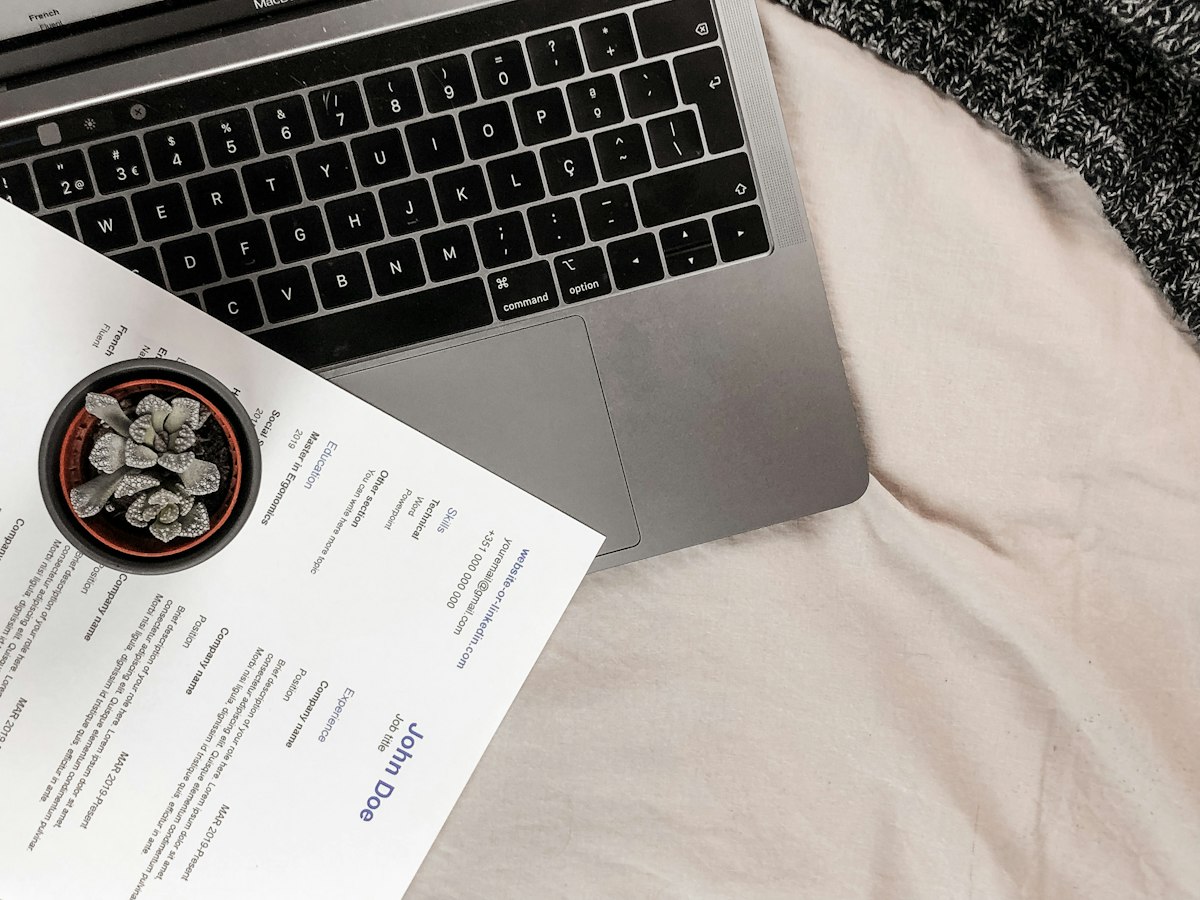
Experience does not have to mean a formal job at a company. If you have done something that required responsibility, organization, communication, or a useful skill, it may belong on your resume when it is relevant.
- Part-time or summer jobs
- Babysitting or childcare
- Tutoring classmates or younger students
- Helping with a family business
- Volunteer work
- School leadership
- Sports team responsibilities
- Freelance creative or technical projects
- Community events
- Relevant personal or school projects
Best Resume Skills for High School Students
The right skills depend on the job. A restaurant may care about communication, reliability, teamwork, and customer service, while a technology internship may place more emphasis on software, coding, research, or problem solving.
| Skill | How a student might demonstrate it |
|---|---|
| Communication | Presentations, debate, customer interaction, tutoring |
| Teamwork | Sports, group projects, clubs, volunteer events |
| Leadership | Club officer, team captain, event coordinator |
| Organization | School events, project planning, club responsibilities |
| Technology | Google Workspace, Microsoft Office, Canva, coding projects |
| Time management | Balancing school, activities, volunteering, and work |
High School Resume Formatting Tips
Keep the design clean and easy to scan. A student resume usually does not need elaborate graphics, multiple columns, large photos, or decorative elements. Clear section headings and consistent spacing make the important information easier to find.
- Keep the resume to one page when possible.
- Use a readable professional font.
- Use consistent headings and spacing.
- Save a final copy as a PDF when the application instructions allow or request it.
- Proofread names, dates, phone numbers, email addresses, and school information.
- Follow the employer’s requested file format and application instructions.
Should You Include Your GPA?
You can include your GPA when it is strong or when the employer, internship, scholarship, or program specifically asks for it. If your GPA is not a strength and it is not required, you can use the space for more relevant achievements, skills, coursework, or experience.
Common High School Resume Mistakes
- Writing too much: A first resume does not need several pages of information.
- Using a generic objective: Explain what you can bring to the specific opportunity.
- Listing skills without evidence: Whenever possible, connect skills to activities, projects, or responsibilities.
- Adding information that is not relevant: Prioritize details that help explain why you fit the role.
- Exaggerating: Never invent jobs, awards, grades, skills, volunteer hours, or responsibilities.
- Ignoring the job description: Tailor relevant skills and experiences to what the employer actually asks for.
- Using an unprofessional email: Create a simple email address based on your name.
How to Tailor a Resume for Different First Jobs
You should not necessarily send exactly the same resume to every employer. Start with your main resume, then adjust the most relevant sections for each opportunity.
For a retail job, emphasize customer service, communication, teamwork, punctuality, and relevant volunteer or school activities. For a restaurant role, highlight teamwork, reliability, organization, and any experience helping people. For an office or technology internship, give more space to coursework, software, projects, research, writing, or technical skills.
The important rule is to tailor the resume without copying claims from the job posting that are not true about you.
Frequently Asked Questions
Can a high school student make a resume with no work experience?
Yes. Focus on education, school projects, extracurricular activities, volunteer work, certifications, relevant skills, and other real responsibilities. You do not need to have held a formal job to create a useful first resume.
How long should a high school student resume be?
For most high school students, one page is enough. Keep only information that supports the opportunity and remove repetition.
What should a 16-year-old put on a resume?
A 16-year-old can include contact information, education, relevant coursework, skills, school activities, sports, volunteer work, projects, awards, certifications, babysitting, tutoring, or other legitimate responsibilities.
Should high school students put references on a resume?
Usually, you do not need to use valuable resume space for a full reference list unless the application specifically requests references. If an employer asks for references, provide accurate contact information for people who have agreed to serve as references.
Should a high school student use a resume objective?
An objective can be useful when you have little experience and want to make your target role clear. Keep it short and specific rather than using a generic statement about wanting “a challenging opportunity.”
Final Tips for Your First Resume
A good high school resume does not try to hide the fact that you are a student. It makes your current experience useful. Education, projects, sports, clubs, volunteering, family responsibilities, and part-time work can all provide evidence of skills when you describe them honestly.
Before submitting your resume, compare it with the opportunity, remove anything you cannot explain confidently, check every date and contact detail, and proofread it one more time. A simple, truthful, targeted one-page resume is a much stronger starting point than a complicated document filled with generic claims.
Resume advice can vary by employer, school, internship, or application program. Always follow the specific instructions provided by the organization.