AFib: Symptoms, Causes, Diagnosis, Treatment & Stroke Risk
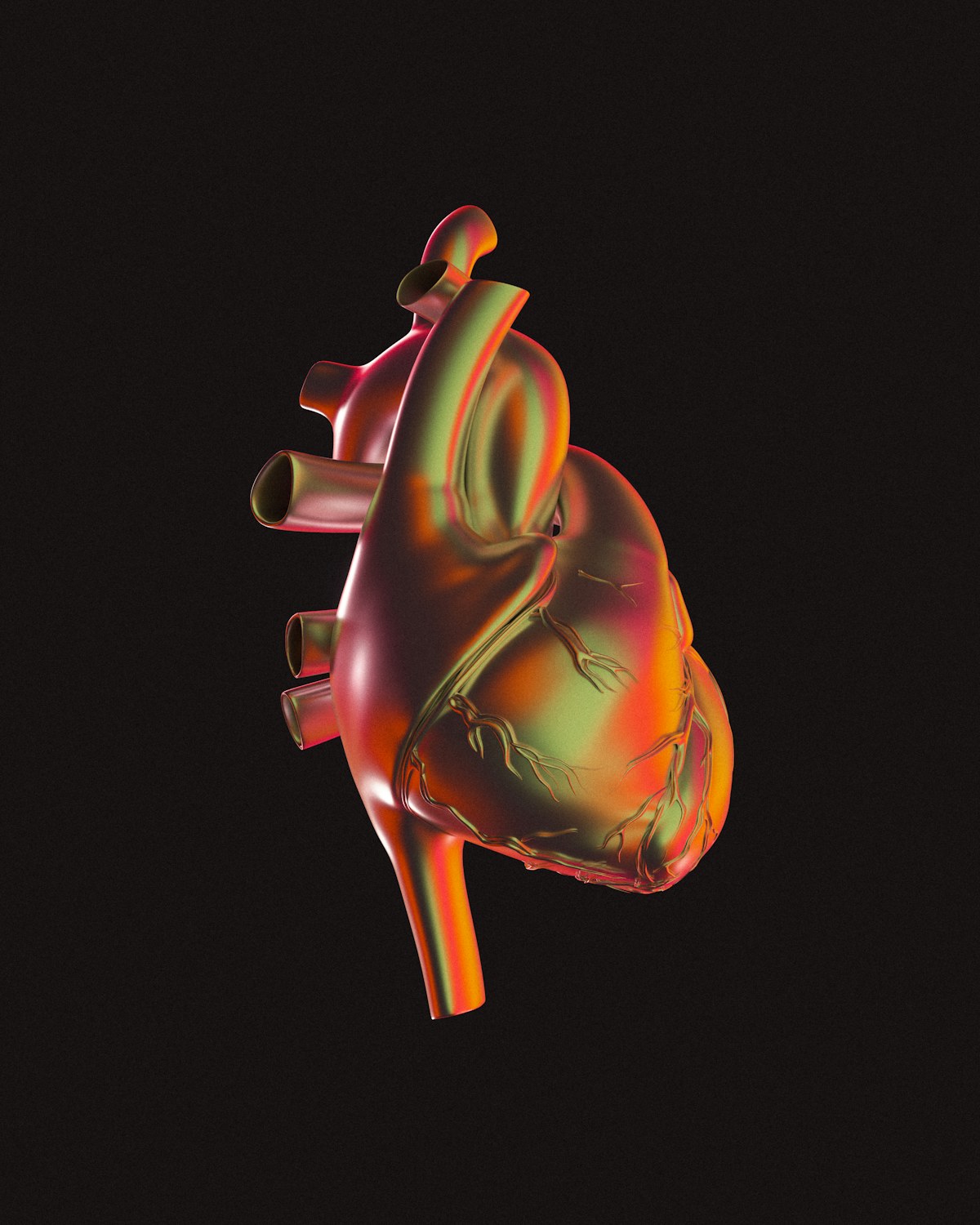
AFib, short for atrial fibrillation, is the most common type of treated heart arrhythmia. It happens when the heart’s upper chambers, called the atria, beat irregularly instead of following a normal rhythm. AFib can come and go or continue for longer periods, and it can increase the risk of blood clots and stroke.
Some people with AFib have noticeable symptoms, while others do not feel anything unusual. Because the condition can be silent, knowing the common warning signs, risk factors, testing options, and available treatments is important. This guide explains AFib in simple terms and highlights when an irregular heartbeat needs urgent medical attention.
What Is AFib?
AFib stands for atrial fibrillation. Normally, electrical signals coordinate the heartbeat so the atria and lower chambers, called the ventricles, work together in a regular pattern. With AFib, the electrical activity in the atria becomes disorganized, causing the atria to quiver or beat irregularly.
Because the heart does not always move blood through its upper chambers normally during AFib, blood can pool and form a clot. If a clot travels to the brain, it can cause a stroke. This is one reason doctors take a diagnosis of AFib seriously even when a person feels well.
What Does AFib Feel Like?
AFib symptoms can vary widely. Some people notice an irregular heartbeat immediately, while others have no symptoms and discover AFib during a routine examination or heart test.
- A fast or irregular heartbeat
- A fluttering, pounding, or racing feeling in the chest
- Shortness of breath
- Weakness or unusual tiredness
- Dizziness or lightheadedness
- Reduced ability to exercise
- Chest discomfort
Symptoms may last for minutes or hours, or they may continue for longer. Having no symptoms does not necessarily mean AFib is harmless.
When Is AFib an Emergency?
If you have a rapid or irregular heartbeat together with chest pain or pressure, severe shortness of breath, fainting, severe weakness, confusion, or signs of a stroke, seek emergency medical care. Stroke warning signs can include sudden facial drooping, weakness or numbness on one side of the body, trouble speaking, sudden vision problems, or sudden loss of balance.
Do not try to determine the cause of severe symptoms with an online article. In the United States, call 911 for a life-threatening emergency.
What Causes AFib?
AFib can occur because of changes or damage affecting the heart’s electrical system. It is often associated with other heart conditions, but it can also occur in people without a previously diagnosed heart problem.
Conditions and factors associated with a higher risk of AFib include:
- High blood pressure
- Coronary artery disease and other heart conditions
- Heart valve disease
- Heart failure
- Previous heart attack or heart surgery
- Overactive thyroid
- Diabetes
- Obesity
- Sleep apnea
- Heavy alcohol use
- Increasing age
In some people, episodes can also be associated with triggers such as alcohol, illness, stress, or poor sleep. Triggers vary from person to person.
Types and Patterns of AFib
Doctors may describe AFib by how long an episode lasts and how it behaves over time.
| Pattern | What it means |
|---|---|
| Paroxysmal AFib | Episodes start and stop on their own, often within seven days. |
| Persistent AFib | The irregular rhythm continues and generally needs treatment to restore a normal rhythm. |
| Long-standing persistent AFib | AFib has continued for a prolonged period, typically more than a year. |
| Permanent AFib | The person and healthcare team have decided not to pursue restoration of a normal rhythm. |
These labels help doctors describe the condition and choose an appropriate treatment strategy. The pattern can change over time, so a person may not always remain in the same category.
How Is AFib Diagnosed?
Doctors commonly use an electrocardiogram (ECG or EKG) to detect AFib. The test records the heart’s electrical activity and can show an irregular rhythm. The National Heart, Lung, and Blood Institute explains how ECG and other tests are used to diagnose AFib.
If AFib comes and goes and is not happening during a standard ECG, a clinician may use longer-term heart monitoring. Depending on the situation, testing can include a Holter monitor, event monitor, wearable device, blood tests, an echocardiogram, or other cardiac testing.
Doctors also look for underlying conditions and factors that may affect treatment. A diagnosis should come from a qualified healthcare professional rather than from a smartwatch reading or online symptom checker alone.
How Is AFib Treated?
AFib treatment depends on the person’s symptoms, stroke risk, other medical conditions, age, and the pattern of the arrhythmia. There is no single treatment that is right for everyone.
Preventing Blood Clots and Stroke
Because AFib can allow blood clots to form in the heart, doctors may prescribe anticoagulants, commonly called blood thinners, for people whose stroke risk makes them appropriate. The decision is based on an individual’s risk factors rather than simply whether AFib is present. The American Heart Association provides additional guidance on AFib treatment and stroke prevention.
Do not start, stop, or change an anticoagulant without speaking with the clinician who prescribed it. These medicines can reduce clot-related stroke risk but can also increase bleeding risk.
Controlling Heart Rate
Some people are treated with medicines that slow the heart rate. This approach can reduce symptoms and help the heart work more efficiently even when AFib continues.
Controlling Heart Rhythm
For some patients, the treatment plan focuses on restoring or maintaining a normal rhythm. Options can include antiarrhythmic medicines or cardioversion, a procedure that uses a controlled electrical shock to restore rhythm under appropriate medical supervision.
Catheter Ablation
Catheter ablation is a procedure that uses a catheter to target areas of heart tissue responsible for abnormal electrical signals. It can be an option for selected people with symptomatic AFib, particularly when medication does not adequately control the condition or when an ablation strategy is otherwise appropriate.
Can AFib Be Prevented?
Not every case of AFib can be prevented, but managing cardiovascular risk factors can help support heart health and may reduce the likelihood of developing or worsening the condition.
- Control high blood pressure.
- Maintain a healthy weight if appropriate for you.
- Exercise regularly according to your healthcare professional’s advice.
- Manage diabetes and other chronic conditions.
- Limit excessive alcohol use.
- Do not smoke.
- Address sleep apnea if you have it.
- Get enough sleep and discuss recurring AFib triggers with your clinician.
AFib and Stroke Risk
One of the most important reasons AFib requires medical attention is its connection with stroke. The irregular atrial rhythm can allow blood to pool and form a clot. Doctors estimate an individual’s stroke risk using established clinical risk factors and then decide whether anticoagulation or another preventive strategy is appropriate.
Having AFib does not mean that a stroke is inevitable. Treatment and management can substantially reduce risk for appropriate patients. The right prevention plan should be individualized by a healthcare professional.
AFib vs. A Normal Fast Heartbeat
A fast heartbeat does not automatically mean AFib. Exercise, anxiety, fever, dehydration, caffeine, certain medicines, and other conditions can increase heart rate. AFib is an abnormal rhythm, and it requires appropriate testing to confirm.
Likewise, an occasional skipped or extra beat is not necessarily AFib. If you repeatedly notice an irregular heartbeat, especially with dizziness, shortness of breath, chest discomfort, or reduced exercise tolerance, talk with a healthcare professional.
Frequently Asked Questions About AFib
What does AFib stand for?
AFib stands for atrial fibrillation, an irregular heart rhythm that begins in the heart’s upper chambers, or atria.
Is AFib dangerous?
AFib can be serious because it can increase the risk of blood clots and stroke. The level of risk varies between individuals, and appropriate treatment can reduce complications.
Can AFib go away on its own?
Some AFib episodes stop on their own, particularly in paroxysmal AFib. However, an episode that stops does not necessarily mean the underlying condition has disappeared. Recurrent or new episodes should be discussed with a healthcare professional.
Can stress cause AFib?
Stress may contribute to episodes in some people, but AFib has multiple possible causes and risk factors. Repeated symptoms should be medically evaluated rather than attributed to stress alone.
Can a smartwatch detect AFib?
Some wearable devices can detect patterns that may suggest an irregular rhythm, but they do not replace clinical evaluation. If a device repeatedly reports possible AFib, discuss the finding with a healthcare professional.
Final Takeaway
AFib (atrial fibrillation) is an irregular heart rhythm that can be intermittent or ongoing. It may cause a racing or fluttering heartbeat, shortness of breath, dizziness, fatigue, or no symptoms at all. Its most important complication is an increased risk of blood clots and stroke.
Diagnosis usually involves an ECG or other heart monitoring, and treatment can include stroke prevention, heart-rate control, rhythm control, cardioversion, or catheter ablation depending on the individual. If AFib symptoms occur with severe chest pain, severe breathing difficulty, fainting, or stroke warning signs, seek emergency medical care.
This article is for general education and is not a substitute for diagnosis or personalized medical advice. Treatment decisions should be made with a qualified healthcare professional.