
Artificial Intelligence
AI Tools for Meeting Notes: 12 Tools That Save You Hours (2026)
Compare the 12 best AI tools for meeting notes in 2026 — with real prices, free plans, and privacy notes — and pick the right one for your team.

 By Saba Mumtaz
·October 16, 2026
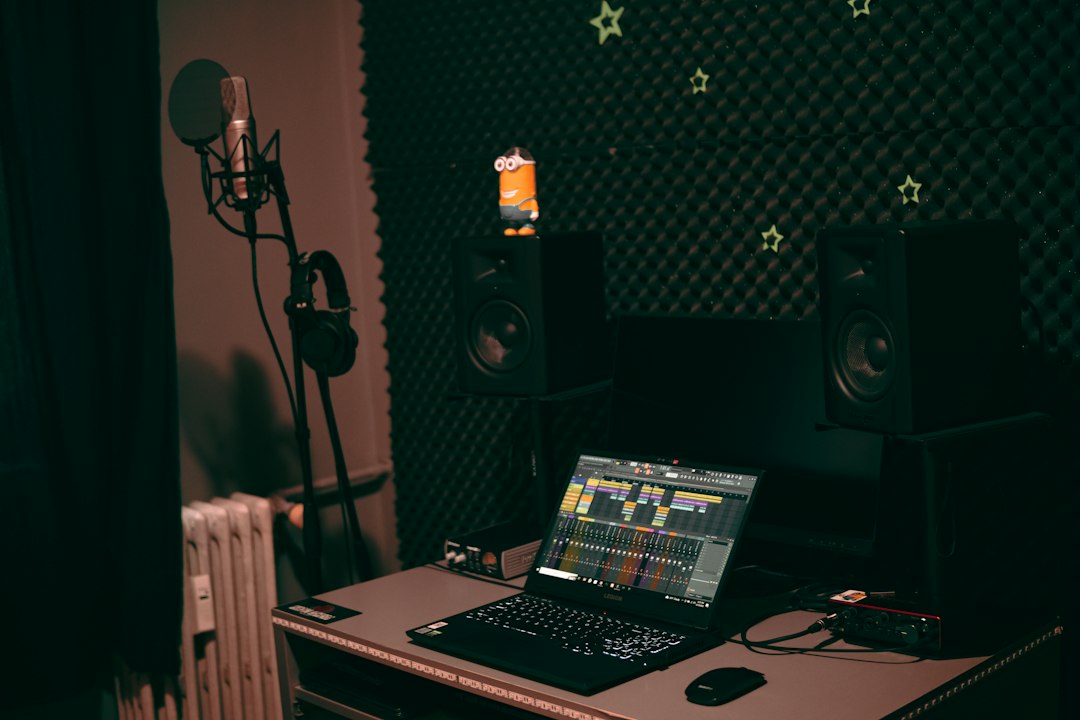
Suno AI is an AI-powered music creation platform that turns a written idea, a set of lyrics, or an audio starting point into a complete song. You can describe a genre, mood, story, vocal style, or instrumental arrangement, then let Suno generate music without requiring a recording studio or formal music training.
It can be useful for songwriting experiments, demo tracks, social media videos, podcasts, and personal projects. However, the right plan matters if you want to download or monetize a song. Suno’s current rules distinguish between free-plan creations and songs downloaded while subscribed to a paid plan, and commercial-use permission is not the same thing as guaranteed copyright protection.
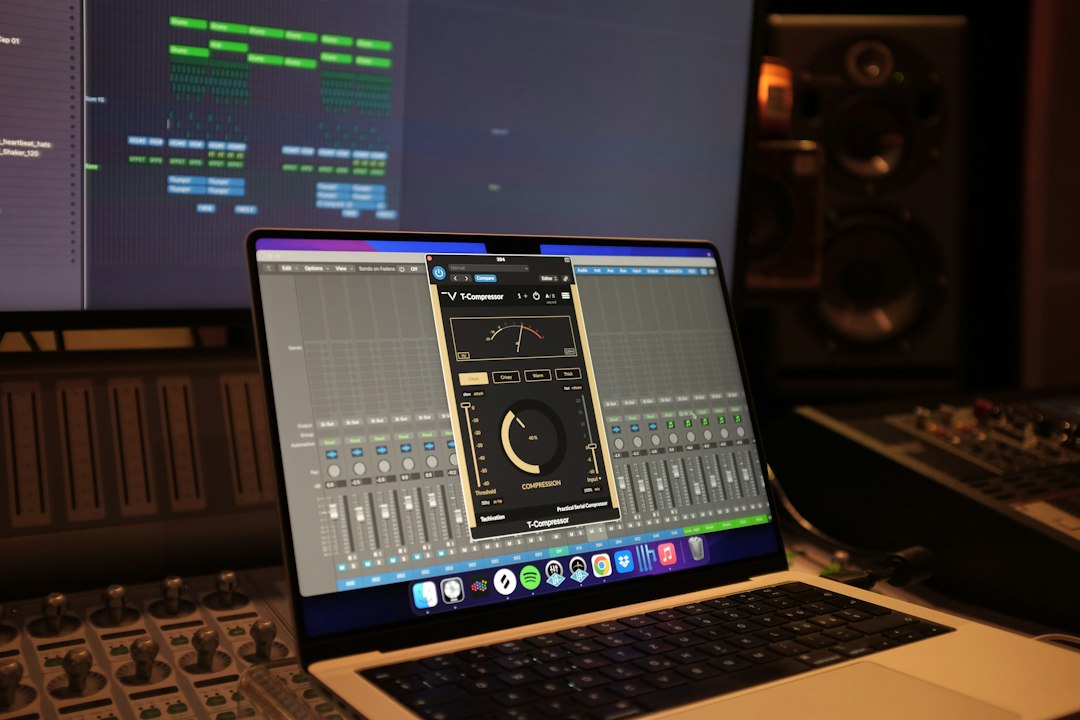
This guide explains what Suno AI does, how to use it, its current plan options, its strengths and limitations, and the rights questions to check before publishing AI-generated music.
Suno is an AI music generator that can create a song from a text description. Depending on your prompt and selected options, a result may include vocals, lyrics, melody, instruments, and a structured arrangement. You can also ask for an instrumental track when you do not want singing.
Instead of recording every part yourself, you describe what you want to hear. For example, you might request a mellow acoustic song about starting over, a high-energy hip-hop track with a confident delivery, or a cinematic instrumental for a short film. Suno turns the description into audio that you can listen to, refine, and share within the platform.
Visit the official Suno website to explore the music generator and its available creation tools.
You can start with a simple idea rather than a finished composition. Describe the subject, emotional tone, genre, tempo, and the kind of sound you imagine. Suno can use that direction to generate a complete song, including vocals when requested.
If you have written lyrics already, you can provide them and guide the music around your words. Organizing lyrics into sections such as verse, chorus, and bridge can help communicate the structure you want. Always make sure you have the rights to any lyrics you upload or ask the service to use.
Instrumental generation is useful for creators who need music without a lead vocal. Possible projects include video backgrounds, podcast beds, game concepts, presentations, and personal listening. Whether you can use a particular track commercially depends on the plan and terms that apply to it.
Suno offers additional ways to develop a track, including tools for extending or changing songs, working with vocal and instrumental parts, and refining music in its browser-based Studio environment. Feature access varies by plan and can change, so check the live feature list before subscribing.
Available features can help you explore vocal approaches, reuse a consistent musical direction, or start from audio you provide. Use only recordings, voices, and source material you have permission to submit. Do not attempt to imitate another person’s voice without their consent.
Go to Suno.com and sign in or create an account. The tools and limits shown in your account are the best place to confirm what is available to you.
Before writing a prompt, decide whether you want vocals or an instrumental. Think about the genre, mood, subject, energy, tempo, and instruments. A clear creative brief is usually more helpful than a long list of unrelated style labels.
A useful prompt describes the sound and purpose of the track. For example:
“Create an atmospheric hip-hop track about working toward a dream after midnight. Deep bass, crisp drums, reflective verses, a memorable melodic hook, and a hopeful ending. Confident male vocal, modern polished production.”
This is only a sample prompt. You can change the genre, vocal direction, instruments, or story to match your own idea. If you have original lyrics, use the custom-lyrics controls available in your account.
Submit the prompt and listen carefully to the versions Suno returns. One result may have a stronger chorus, while another may better match the mood or rhythm you wanted. Do not assume the first generation will be perfect; adjust the prompt and try again when needed.
Use the available editing tools to improve the sections that matter most. You may want a clearer chorus, a different arrangement, a longer ending, or an instrumental version. Advanced editing and production options depend on your plan.
Before uploading a song to a monetized YouTube channel, distributing it to streaming services, or using it in an advertisement, check the rules attached to the plan and the specific song. Do not assume that upgrading today automatically gives commercial rights to tracks you generated earlier on the free plan.
Suno’s published pricing currently lists a free plan and paid Pro and Premier options. The pricing page can change, and billing periods, regional taxes, promotional offers, and account eligibility may affect the final price. Check the official Suno pricing page before paying.
| Plan | Published price | Key points |
|---|---|---|
| Free | $0 per month | 50 daily credits, standard features, no commercial rights, and no regular monthly song downloads listed. |
| Pro | $8 per month when billed annually, as displayed on the pricing page | 2,500 monthly credits, 20 song downloads per month, advanced features, and commercial-use rights for eligible songs. |
| Premier | $24 per month when billed annually, as displayed on the pricing page | 10,000 monthly credits, 60 song downloads per month, Suno Studio access, and additional production features. |
These are the published prices and limits shown during research, not a promise that every account will see identical offers. Monthly billing may cost more than the annual equivalent. Credit allowances, download limits, and feature access are separate considerations, so compare them with how often you expect to create and export music.
Yes. Suno lists a free tier with daily credits, allowing users to experiment with music creation without paying a subscription. The free plan is best treated as a way to learn the interface, test prompts, and make music for personal, non-commercial use.
Free access does not mean every feature or download is included. Suno announced updated download rules effective September 3, 2026, including limited trial downloads for eligible free users. Those trial downloads are not eligible for commercial use. Check the current Suno download policy for the rules that apply to your account.
Commercial use depends on the plan under which the song was created and downloaded, along with Suno’s current terms. Suno’s published guidance says songs downloaded while you are subscribed to Pro or Premier receive commercial-use rights, subject to the service’s terms. Free-plan songs are generally limited to non-commercial use.
There are a few important details to understand:
For the most current details, read Suno’s Terms of Service, its copyright guidance, and the music distribution FAQ. If a release has significant commercial value, consider getting advice relevant to your jurisdiction and distributor.
Suno may be a good fit for beginners who want to experiment with songwriting, musicians who need quick demos, content creators looking for music concepts, and writers who want to hear how lyrics might sound as a song. It can also help marketers or small teams develop a musical idea before commissioning a final production.
It may be less suitable for projects that require exact control over every note, guaranteed originality in a legal sense, or a fully finished professional mix with no human review. For commercial releases, treat the generated track as material to assess carefully—not as a replacement for checking rights, quality, and distribution requirements.
Suno is designed to make generating a musical idea quick and accessible. Traditional production tools offer more direct control over recording, performance, mixing, and arrangement, but usually require more time and skill. The two approaches can complement each other: use Suno to explore a direction, then refine the idea with human musicians or audio software when the project needs detailed control.
If you are also exploring visual AI tools for creative projects, see our guides to Higgsfield AI and PixNova AI.
Suno generates music from text prompts, lyrics, and supported audio inputs. Depending on the settings, it can create songs with vocals or instrumental tracks and provides tools for developing or editing results.
Yes. You can ask it to generate lyrics from a song idea, or provide your own lyrics and guide the music around them. Review the words carefully before publishing.
Yes. You can describe a song in everyday language without playing an instrument or using recording equipment. More specific prompts and careful listening can improve the results.
Personal sharing and monetized use are different. Check the plan and rights that apply to the particular song before uploading it to a monetized channel or using it in a commercial project.
Suno’s terms distinguish between eligible paid-plan outputs and free-plan outputs, but ownership and copyright protection are not identical. Copyright eligibility can depend on human authorship and local law, so do not treat commercial-use permission as a universal copyright guarantee.
Not automatically. Suno says a later subscription does not ordinarily grant retroactive commercial-use rights to songs created on the free plan. Review the official terms or contact Suno support if you need rights for a specific older track.
If you want to turn ideas into songs quickly, Suno is worth exploring. Its usefulness depends on the quality you need, how much editing you are willing to do, and whether the plan’s usage rights match your project.
Suno AI makes music creation approachable by turning written ideas into songs with vocals, lyrics, and arrangements. Its free plan is a practical starting point for experimentation, while paid plans add more credits, downloads, and production features. The main caution is licensing: confirm the rules for the exact song before monetizing or distributing it, and remember that commercial-use rights do not guarantee copyright protection. For current features, prices, and restrictions, always consult Suno’s official pages before making a decision.

Saba is the founder of Meregate and a passionate SEO and digital marketing specialist. She shares practical insights on SEO, AI, and online marketing to help businesses improve their search visibility, attract organic traffic, and grow their digital presence. Her goal is to provide actionable strategies that deliver measurable and long-term results.
Compare the 12 best AI tools for meeting notes in 2026 — with real prices, free plans, and privacy notes — and pick the right one for your team.

Most AI image generators are bad at logos — they mangle text and give you flat raster files. Here are the 8 tools that actually work for logos, ranked by text rendering, vector output, and price.

Perplexity not loading, stuck on login, or stopping mid-answer? Here are 10 simple fixes you can try in order, from quick checks to app and account fixes.