What Is an AI Chatbot? A Simple Guide for Beginners (2026)
By Taylor Orlando·November 17, 2026
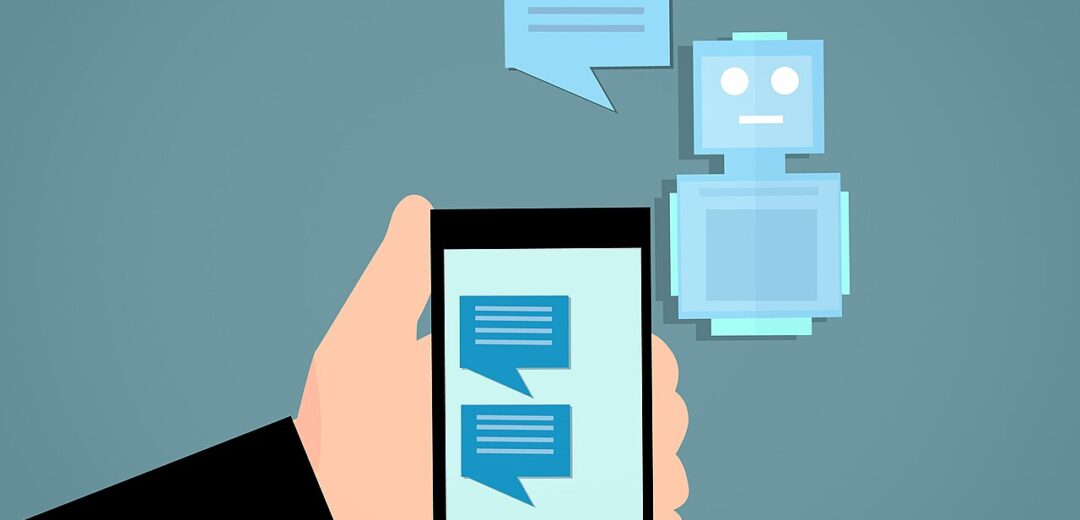
If you have visited a website lately and a small chat window popped up asking if you need help, you have probably met an AI chatbot. So what is an AI chatbot? An AI chatbot is software that holds a conversation with a person in natural language, using artificial intelligence to understand what the person means and write back a relevant reply. It works in a chat window on a website or inside a messaging app, and it can answer questions at any time of day, even when no one from the business is online.
Chatbots are not new. Older ones followed a fixed script, like a flowchart. If your question matched one of the options on the script, you got an answer. If it did not, you got stuck. Modern AI chatbots are different. They can read a message written in your own words, work out what you mean, and write an answer on the spot. That is why they feel much more like talking to a person.
What Is an AI Chatbot?
An AI chatbot is a computer program that talks with people using written or spoken language. You type a question, and the chatbot answers in the same chat window.
Today, most AI chatbots are built on large language models, often called LLMs.
Many business chatbots are also “grounded” in the business’s own content. That means the chatbot looks up the answer in the company’s website, help pages, or product guides before it replies. This method is often called retrieval, or RAG. It helps the chatbot answer from real company information instead of guessing.
AI Chatbot vs Rule-Based Chatbot
The easiest way to understand AI chatbots is to compare them with the older kind, the rule-based chatbot. Both appear in a chat window, but they work in very different ways. Rule-based chatbots still have a place: if a business only needs to collect a name and a phone number, or guide a visitor to one of three pages, a simple script is enough and costs less. But when visitors ask questions in their own words, an AI chatbot handles far more of them without human help.
Rule-Based Chatbot
AI Chatbot
How it works
Follows a fixed script or decision tree
Uses NLP and machine learning to understand free text
What you can type
Only the options it offers, or exact keywords
Your own words, typed naturally
Answers
Pre-written replies chosen from a list
Written on the spot for your question
Unexpected questions
Fails or repeats “I did not understand”
Tries to work out the intent and answer, or hands off to a human
Best for
Simple, fixed tasks like “book a table”
Open questions, FAQs, and support chats
How Does an AI Chatbot Work?
In plain words, an AI chatbot works in four steps.
1. It reads your message
When you send a message, the chatbot first reads the words and the order they are in. This is called natural language processing, or NLP. It also remembers the earlier messages in the same chat, so it knows what “it” or “that one” refers to when you use those words later.
2. It finds your intent
Next, the chatbot works out what you want. This is called intent. “Where is my order?” and “I want to track my package” mean almost the same thing, even though the words are different. A good chatbot sees that both are about order tracking.
3. It retrieves relevant knowledge
Once the chatbot knows your intent, it looks for the facts it needs to answer. In a business chatbot, this usually means searching the company’s own content: help articles, product pages, pricing pages, or a FAQ list. This step is what keeps the answer based on real information. Without it, a chatbot may write a smooth-sounding answer that is wrong.
4. It writes a reply
Finally, the chatbot writes the answer in natural language and sends it to you in the chat. The reply is written fresh for your question. A good chatbot also knows when to stop: if it cannot find a reliable answer, it should say so and offer to connect you with a person.
All four steps happen in a second or two. That speed is one reason chatbots are useful for customer support: a visitor gets an answer right away instead of waiting for an email reply.
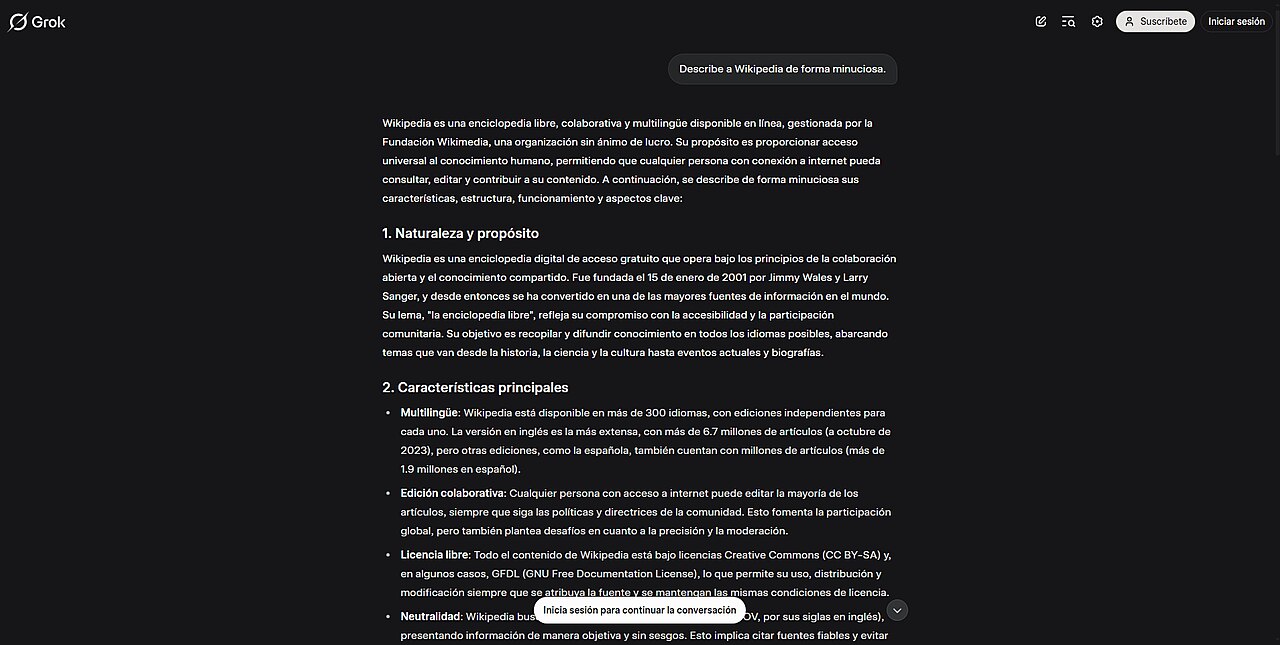
Source: Wikimedia Commons
The Main Types of AI Chatbots
Here are the main types, from the simplest to the most advanced.
Rule-based chatbots
These follow a fixed script. The business writes the questions and the answers in advance, and the chatbot walks the visitor through them step by step, like a menu. They are cheap and easy to build, and they work well for simple, fixed tasks.
NLP and intent-based chatbots
These use natural language processing to understand what the visitor means, then match the message to an intent the business has defined, such as “track order” or “reset password.” Each intent has a pre-written answer. They handle many ways of asking the same thing and are common in customer support, but their answers are still limited to what the business has prepared.
Generative and LLM chatbots
These are the newest and most flexible type. They use a large language model to write answers on the spot, in natural language. They can handle questions the business never thought of and keep a conversation going over many messages. ChatGPT is the best-known example of a general chatbot of this kind, and many business chatbots now use the same kind of technology, grounded in the company’s own content. Their main risk is that they can write a confident-sounding answer that is wrong, which is why grounding and human review matter.
Agentic chatbots
Agentic chatbots go one step further: they can take actions, not just answer questions. For example, they can check an order status in the company’s system, change a booking, or start a refund, and then report back what they did. They are the newest type and need careful setup, because an action like a refund cannot be undone as easily as a wrong sentence. Small businesses usually start with a simpler chatbot and move to this type later, if they need it.
Where Small Businesses Use AI Chatbots
Here are the most common uses for a small business.
Customer support: answering common questions about shipping, returns, prices, and opening hours, day and night.
Answering FAQs: a chatbot can answer the questions that already sit on a FAQ page, so visitors get answers without hunting through the site.
Lead capture: when a visitor shows interest, the chatbot can ask for a name and email and pass the details to the sales team.
Bookings and appointments: a chatbot can show open times and book a slot, which is handy for salons, clinics, repair shops, and consultants.
Order help: customers can check an order status or start a return through the chat instead of calling or emailing.
Guiding visitors: on a large website, a chatbot can point a visitor to the right page, product, or service.
For a small business, the value is simple: the chatbot answers the easy questions, and the staff spend their time on the questions that need a person.
Source: Wikimedia Commons
What AI Chatbots Are Good At
Speed: they answer in seconds, at any hour, including weekends and holidays.
Volume: they can talk to many people at once, so no one waits in a queue.
Consistency: they give the same answer to the same question every time.
Routine questions: they handle the questions a business hears every day, which are often most of all support chats.
Cost: once set up, answering one more question costs almost nothing.
What AI Chatbots Are NOT Good At
They cannot know what is not in their knowledge: if the answer is not in the company’s content, the chatbot cannot invent it. A good chatbot says it does not know and hands the chat to a person.
They can be wrong: a generative chatbot can write a smooth answer that is simply incorrect. This is why grounding it in real company content and checking its answers matters.
They do not understand feelings: an upset customer needs a person who can listen and show care. A chatbot can sound polite, but it does not truly understand frustration.
They struggle with complex problems: a multi-step complaint, a dispute, or a special request usually needs a human who can make a judgment call.
They need upkeep: if no one updates the chatbot’s content, its answers go out of date.
The practical rule is simple: let the chatbot handle the easy, repeated questions, and hand the rest to a person quickly. A chatbot that keeps a stuck customer talking in circles is worse than no chatbot at all.
AI Chatbot vs AI Agent
You may also hear the term “AI agent,” and it is easy to mix the two up. The difference is short: a chatbot talks, and an agent talks and acts. An AI chatbot answers questions and holds a conversation. An AI agent can also carry out tasks on its own, such as looking up a record, updating a booking, or processing a refund, and then telling you what it did. For most small businesses, a chatbot is the right starting point, and agent features can be added later where they save real time.
Frequently Asked Questions
What is an AI chatbot in simple words?
An AI chatbot is software that chats with people in natural language. It uses AI to understand what a person means and write back a helpful reply, instead of following a fixed script. You will find them in chat windows on websites and inside messaging apps.
How is an AI chatbot different from a normal chatbot?
A normal, rule-based chatbot follows a fixed script and only handles the exact options it was given. An AI chatbot understands messages written in your own words, works out your intent, and writes an answer on the spot. It can also be grounded in a business’s own content, so it answers from real information.
Do AI chatbots replace human customer support?
No. They handle the easy, repeated questions so human staff can focus on the harder ones. A good chatbot answers what it knows and hands the chat to a person when a question is complex, sensitive, or outside its knowledge.
Can a small business use an AI chatbot?
Yes. Many chatbot tools now offer plans made for small businesses, and some can be set up using only the business’s website and help pages as the knowledge source. A small business should start with its most common questions and check the chatbot’s answers in the first weeks.
Taylor Orlando is a content writer at Meregate covering websites, SEO, and AI. Taylor breaks down complex topics into simple, practical guides that help small businesses build better websites, rank higher on Google, and get real value from AI tools — no jargon, no fluff.
Compare 8 beginner-friendly AI video generators, from Canva and CapCut to Runway and Synthesia, with free plans, prices, and honest limits to help you pick the right one.
Eight free AI image generators compared on what really matters: how many images you get free, whether they add a watermark, and whether you can use the results for business. Gemini leads for most people; Perchance wins if you hate sign-ups.
Perplexity and ChatGPT look alike, but they solve different problems. This head-to-head compares price, citations, accuracy and real uses, so you can pick the right one for your work.