
SEO
Surfer SEO vs Ahrefs: Which Tool Should You Use in 2026?
Surfer SEO helps you write pages that rank. Ahrefs helps you decide what to write and find backlinks. Here is how they compare — and when to use both.

 By Taylor Orlando
·November 9, 2026

Domain authority is a score from 1 to 100 that predicts how well a website can rank on Google. If your score is low, you are not alone — every site starts at 1. The good news is that you can raise it. This guide shows you how to increase domain authority step by step, with realistic timelines, free tools, and the shortcuts you should skip.
Last updated: November 2026
Domain Authority (DA) is a score created by Moz. It predicts how likely a website is to rank in search results, based mostly on the strength of its backlink profile. The score runs from 1 to 100, and the scale is logarithmic. That means moving from 20 to 30 is much easier than moving from 70 to 80. Each point gets harder as you climb.
Moz works out the score with a machine learning model that looks at 40-plus signals from its link index. The biggest signal is the number and quality of other websites that link to you — especially how many different websites link to you, not just how many links you have in total. One link from a trusted, well-known site counts for far more than 50 links from weak sites.
Before you chase the number, know what it is and what it is not. Google does not use Domain Authority. Google’s John Mueller has said this many times. DA is a third-party estimate made by Moz, not a Google ranking factor. Raising your DA does not directly raise your rankings.
So why bother? Because the work that raises DA is the same work that raises rankings: earning good links, publishing useful content, and building a site people trust. DA is best used as a comparison tool. Check your score against the sites you compete with for the same keywords. If they sit at 35 and you sit at 18, you know how much ground you need to make up. Do not obsess over the number itself. Use it to measure progress over months, not days.
There is no single “good” score. It depends on your niche. A local plumber with a DA of 25 can outrank national sites for local searches. A news site needs 70-plus to compete nationally. Use this rough guide:
| DA range | What it usually means |
|---|---|
| 1–20 | New or small site. Very few quality backlinks yet. |
| 21–40 | Growing site. A solid base of links is forming. |
| 41–60 | Strong site. Good backlink profile, trusted in its niche. |
| 61–80 | Very strong site. Hard to reach without years of work. |
| 81–100 | Top of the web. Big brands, Wikipedia, major news sites. |
The right question is not “what is a good DA?” It is “what DA do the sites on page one of my target keywords have?” If they average 30, then 35 is a strong goal. If they average 60, you have a long road — and you may be better off targeting easier keywords first.
Moz does not publish the exact formula, but it has said the model looks at these signals:
Your score is also relative. Moz updates the score about once a month, and the whole scale can shift. Your DA can drop a few points even if you did nothing wrong — for example, if Moz changes its model or if your competitors earned more links than you did. That is normal. Judge the trend over a quarter, not a single month.
People mix these up. They are the same idea from different companies, and the numbers are not the same:
| Metric | Made by | Scale |
|---|---|---|
| Domain Authority (DA) | Moz | 1–100 |
| Domain Rating (DR) | Ahrefs | 0–100 |
| Authority Score (AS) | Semrush | 0–100 |
A site can have a DA of 35 and a DR of 52 at the same time. Neither number is “wrong” — each tool counts links its own way. Pick one metric and stick with it for tracking. The work that lifts one lifts the others, because all three are built on the same thing: good links from real websites.
This is the question most guides dodge. Here is a realistic picture, based on what SEO guides and case studies report for sites that work on links steadily:
| Starting DA | Realistic target | Typical time |
|---|---|---|
| 1–10 | 20–30 | 6–12 months |
| 10–25 | 35–45 | 12–18 months |
| 25–45 | 50–60 | 18–36 months |
| 45 and up | 60–70 | 3–5 years or more |
New sites usually see their first small movement in 3 to 6 months, once the first quality links get found and counted. The low end of the scale moves fastest. Going from 10 to 20 can take a few months of steady work. Going from 50 to 60 can take a year or more. Anyone who promises to raise your DA by 20 points in a month is selling you something that will not last — or that will hurt your site.
There is no trick that skips the work. These ten steps are the work, in order of impact.
Links are still the main thing that moves DA. Focus on earning links from real, relevant websites that already have strong scores. One link from a respected site in your field beats dozens of links from weak sites.
How to get them: write guest posts for blogs your audience actually reads, offer expert quotes to journalists, and build relationships with other site owners in your niche. Skip mass guest-post networks and anyone who sells links in bulk. Google treats paid links as spam — its link spam policies are clear on this — and Moz’s spam signals can drag your score down.
People link to pages that help them. The pages that earn the most links are usually one of these: original research or survey data, a free tool or calculator, a clear step-by-step guide, or a list of useful resources. A plain 500-word post that repeats what ten other sites already said earns nothing.
Pick one idea per quarter and make it the best page on that topic. A small business does not need to publish every day. One genuinely useful page a month beats ten thin ones.

Over time, pages move or get deleted, and links that pointed to them break. Those links still count for nothing until you fix them. Use Google Search Console (free) to find pages on your site that get linked to but return errors, then redirect the old URL to the closest live page with a 301 redirect. This is free, takes an afternoon, and it recovers authority you already earned.
This is the same idea, but on other people’s sites. Find a popular page in your niche that links to a dead page, then email the site owner and suggest your working page as a replacement. It works because you are helping them fix a problem, not just asking for a favour. You need a page worth linking to first — that is why step 2 comes before step 4.
If you are a local or small business, this is the easiest early win. Make sure your business is listed — with the same name, address, and phone number everywhere — on Google Business Profile, Yelp, Bing Places, your local Chamber of Commerce, and trade directories in your field. These links are not the strongest, but they are real, they are free, and they help at the low end of the scale.
Services like HARO (Help a Reporter Out) and Qwoted send daily emails from journalists looking for expert quotes. Answer the ones that fit your knowledge, with a short, useful reply. A single quote in a news article can earn a link from a very high-authority site. It costs nothing but time, and it is one of the fastest honest ways to earn strong links.
Not all links help. Links from spammy sites, link farms, and hacked pages can hold your score back. Once or twice a year, check who links to you. Moz’s free Link Explorer (10 free searches a month) shows your links and a spam score for each one.
If you find clearly toxic links, ask the site owner to remove them first. Only use Google’s Disavow tool as a last step, and only when you see a clear pattern of spam — for example, after a manual penalty or a flood of links you never asked for. Most small sites never need to disavow anything. Disavowing good links by mistake hurts you.
Technical SEO does not raise DA directly. But a slow, broken, or insecure site earns fewer links and keeps fewer visitors — and that slows everything else down. Cover the basics: HTTPS on every page, pages that load fast on phones, no broken internal links, and a sitemap submitted to Google Search Console. Check your site on PageSpeed Insights (free) and fix the biggest problems first.
Links follow attention. When people search for your business by name, mention you in forums, or cite you in their own articles, links tend to follow. That is why the strongest sites are brands, not just collections of pages. Do work worth talking about: answer customer questions in public, share real numbers from your business, speak at a local event, or sponsor something small in your community. Brand mentions often turn into links — and even unlinked mentions help search engines see you as a real, trusted business.
If your budget is zero, here is a plan that costs nothing but time:
Do not expect a big jump in 90 days. Expect the first signs: more linking domains, a few new quality links, and pages starting to rank for easier keywords. The score follows the links, and the links follow the work.
There is a lot of bad advice about DA. These things do not raise it directly, no matter what someone tries to sell you:
Check your score once a month at most, and judge it once a quarter. Moz refreshes DA about once a month, so weekly checks just show noise. What to track instead:

If your DA drops a few points, do not panic. First check whether you lost any good links. If not, it is probably a Moz model update or your competitors growing faster. Keep building links and check again next quarter.
For a new website, a small business, or a niche blog, yes — 30 is a solid score. It is low only if you compete against national brands or big publications, which often sit at 60 or higher. Compare your score with the sites ranking for your keywords, not with the whole internet.
There is no fast, safe way. The quickest honest path is digital PR: original data or an expert quote that earns links from high-authority news and industry sites. Even then, expect the first visible movement in 3 to 6 months. Anything that promises results in days is using tricks that risk a penalty.
Page Authority (PA) is Moz’s score for a single page; DA is the score for the whole domain. The same work raises both: earn links to a page, and that page’s PA rises first, while the domain’s DA rises more slowly. To lift PA on a key page, build links to that page directly and link to it from your own strong pages.
No. Google does not use DA or any third-party authority score in its ranking system. Google has its own internal signals. DA is useful because it reflects the link strength that does help rankings — but the score itself changes nothing in Google.
Most small business sites sit between 20 and 40. A score in that range is normal and workable. What matters is being close to — or above — the other local businesses that rank for your keywords. A local business with a DA of 30 can outrank a national site with a DA of 70 for a local search.
Moz updates DA about once a month, when it refreshes its link index. A link you earn today may not show up in your score for several weeks. That is normal — check monthly and judge quarterly.
Domain authority goes up when real websites link to you, and that happens when you publish useful content, fix what is broken, and put your name in front of the right people. Start by checking your score and your competitors’ scores, fix the free things first, then work the plan for a few months before you judge the result. The score is a thermometer, not the treatment — build the authority, and the number will follow.

Taylor Orlando is a content writer at Meregate covering websites, SEO, and AI. Taylor breaks down complex topics into simple, practical guides that help small businesses build better websites, rank higher on Google, and get real value from AI tools — no jargon, no fluff.
Surfer SEO helps you write pages that rank. Ahrefs helps you decide what to write and find backlinks. Here is how they compare — and when to use both.

A site won't load and you're not sure why. These five checks tell you in seconds whether the site is down or the problem is on your side.
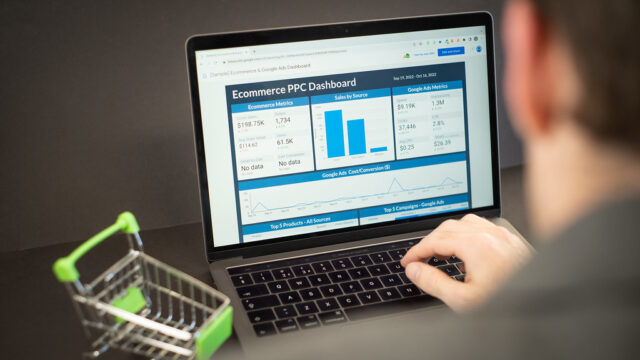
Interamplify is an international SEO agency from Spain, known for large-scale link building and multilingual campaigns. Here is what it does, what it costs, and who it fits best.