
Digital Marketing
Digital Marketing Tips for Small Business: 12 Tips That Work (2026)
12 practical digital marketing tips for small business owners — with real budgets, free tools, and a simple 30-day plan to get started.

 By Taylor Orlando
·November 10, 2026
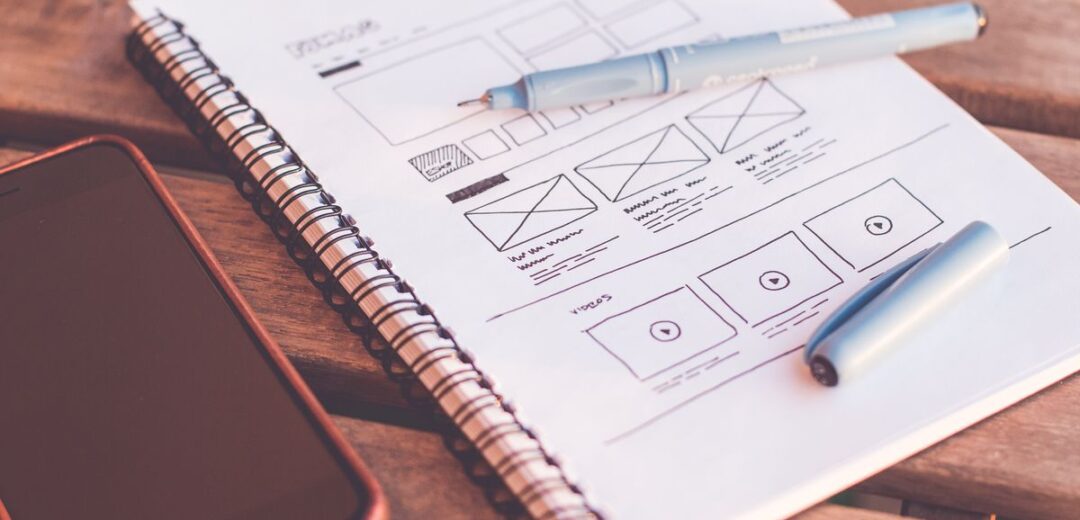
If you are setting up your business online, you will run into the landing page vs website question sooner or later. They look similar at first glance. Both are web pages, both can carry your brand, and both can bring in customers. But they do very different jobs, and picking the wrong one for the task at hand costs you leads.
The short answer is this: a website tells people who you are and what you offer. A landing page gets one specific group of visitors to take one specific action. Most small businesses end up needing both. This guide explains the difference in plain English and helps you decide what to build first.
A landing page is a single, standalone page built around one goal. That goal might be getting visitors to book a call, sign up for a free trial, download a guide, or buy one product. Everything on the page supports that one action: the headline, the short list of benefits, the proof, and the button or form.
What makes a landing page different is what it leaves out. There is usually no full menu, no links to other pages, and no extra content to wander off to. Visitors have two choices: take the action or leave. If you want the full breakdown of how landing pages work and the types you can build, read our guide on what a landing page is.
A few common examples make the idea clear. A dentist runs a Google Ad for teeth whitening, and the ad sends people to a page about that one treatment with a “Book a whitening session” button. A software company offers a free ebook, and the page asks only for a name and email in return. In each case, the visitor arrived from a specific ad, email, or social post, and the page matches what that message promised.
A website is a set of linked pages under one domain that together explain your whole business. A typical small business website has a homepage, a page for each main service or product, an about page, and a contact page. Many also have a blog, a pricing page, and customer reviews.
Unlike a landing page, a website is built for browsing. Visitors arrive with different questions: Who are you? What do you charge? Where are you based? Have other customers been happy? The menu lets them find the answer on their own, in their own order. A website is also your long-term home on the web. It is the place people find when they search your business name on Google or check you out after a referral.
The easiest way to see the difference is to compare them side by side.
| Landing page | Website | |
|---|---|---|
| Goal | One action from one audience, such as a signup, a booking, or a sale | Many goals: inform, build trust, answer questions, and support sales |
| Audience | People who already clicked a specific ad or campaign link | Anyone researching your business, from first-time visitors to returning customers |
| Navigation | Little or none, on purpose, so nothing pulls visitors away from the action | Full menu with links to every main page |
| Content | Focused on one offer: headline, benefits, proof, and one call to action | Broad: services, prices, team, reviews, policies, and blog posts |
| Traffic source | Mostly paid ads, email campaigns, and social posts | Mostly search engines, direct visits, referrals, and social profiles |
| SEO role | Small: one page can rank for a few closely related searches | Large: each service or blog page can rank for its own searches |
| Lifespan | Often short: tied to a campaign, then updated or retired | Permanent: grows and gets updated over years |
| How success is measured | Conversion rate: how many visitors took the one action | Organic traffic, rankings, and enquiries across many pages |
One row deserves extra attention: the SEO role. A website earns search traffic page by page. If you are a plumber, you can have one page for drain cleaning, one for water heaters, and one for emergency callouts, and each can show up for different searches. A landing page covers one topic, so it has far fewer chances to match what people type into Google. That is fine, because search traffic is not its job. Its job is to turn the clicks you already paid for into leads.

Use a landing page when you know exactly who is coming and what you want them to do. These are the situations where it earns its keep:
Look at a few landing page examples for small business before you build your own. You will notice the pattern fast: one headline that repeats the ad’s promise, a few clear benefits, some proof, and one button.
Use your website when visitors need to learn about your business before they decide. That covers most of the ways people find you:
Technically, yes. In practice, it is a bad idea for most businesses. A landing page can work as your only online presence in a few narrow cases: you sell one product, your buyers decide fast without researching you, and nobody needs to check your background first. A food truck with one menu and a loyal local following might get away with it. So might a short test for a brand-new offer.
For everyone else, the gaps show up fast. A business buyer who gets your quote will search your company name. If all they find is one sales page, you look smaller and newer than you are. You also give up search traffic: one page can only cover a few topics, while a website with a page per service can show up for dozens of different searches.
The smarter setup is to put landing pages inside your website, on the same domain. Each campaign gets its own focused page, but visitors who want more can still reach your services and contact details.
Yes. A solid website alone can bring in search traffic, answer questions, and collect enquiries through a contact form. If you are not running paid ads or promoting single offers, you may not miss landing pages at all.
The cost shows up when you start advertising. Sending paid clicks to a homepage wastes money, because the homepage has many links and many messages, and visitors drift away without taking action. Focused pages convert better: Unbounce’s 2024 Conversion Benchmark Report put the median landing page conversion rate at 6.6% across industries, well above what a general homepage usually manages for paid traffic. So the rule is simple. A website can stand on its own. A landing page cannot replace a website, but it makes your ads work much harder once you start running them.
A landing page is cheaper and faster. Using a template from a builder, a small business owner can put one together in an afternoon, and there is little to maintain once the campaign ends. You just update the copy for each new offer and retire the page when the offer is over.
A website costs more up front and needs steady upkeep. You are paying for design, several pages of content, and setup, then for hosting, updates, and fresh content over time. That is the trade for an asset that keeps working: service pages that rank, blog posts that bring in readers, and a home base that every campaign can point back to.
Watch out for one false saving. A cheap landing page tied to weak ads can waste more in ad spend than you saved on the page. If you are spending real money on clicks, the page that receives them deserves real effort. If you are weighing builders, our guide to the best landing page builders compares the main tools on price, templates, and ease of use.
Work through these questions in order. Your answers will point to the right starting point.
If yes, you need a website. Buyers who compare suppliers, check reviews, and look at past work will not commit from a single sales page.
If yes, build a landing page for that campaign, even if your website already exists. Match the page headline to the ad, keep one call to action, and remove the menu links that pull people away.
If yes, a website with a page per service is the right base. One landing page cannot carry three different messages.
For most small businesses, the final setup is the same: a core website with a homepage, one page per main service, an about page, and a contact page, plus one focused landing page for each live campaign, all on the same domain. Build the website first, and add landing pages as soon as you start spending on ads.
A landing page is one page built for one audience and one action, usually for visitors from an ad or campaign. A website is several linked pages that explain your whole business to anyone who looks you up. Many businesses use landing pages inside their website for campaigns.
It can be enough at the start if you offer one service and customers decide quickly without much research. Once you offer several services, want search traffic, or sell to companies that check suppliers before they buy, you will need separate pages.
Usually to a landing page that matches the ad group. Google rates landing page experience on how relevant and useful the page is to people who click the ad, and a focused page matches the search better than a general homepage. Google’s own Quality Score help page lists landing page experience as one of the three parts of the score.
Yes, but only for the few searches it is about. A landing page covers one topic, so it has fewer chances to match different searches than a website with a page for each service.
No. Keeping landing pages on your main domain is simpler: visitors see one brand, your contact details stay consistent, and you avoid domains that expire unnoticed after a campaign ends.
You can, but you will get weaker results for most businesses. A landing page has no room for your full story, your range of services, or the trust signals buyers look for, and it earns far less search traffic than a website with a page per service.
A landing page and a website are not rivals. One wins the click, the other earns the trust that turns the click into a customer. Build the website first, then add a focused landing page each time you run a campaign, and you get the best of both.

Taylor Orlando is a content writer at Meregate covering websites, SEO, and AI. Taylor breaks down complex topics into simple, practical guides that help small businesses build better websites, rank higher on Google, and get real value from AI tools — no jargon, no fluff.
12 practical digital marketing tips for small business owners — with real budgets, free tools, and a simple 30-day plan to get started.

You don't need a big budget or a big audience to build an email list. Here's a simple 12-step plan any small business can start this week — free tools included.
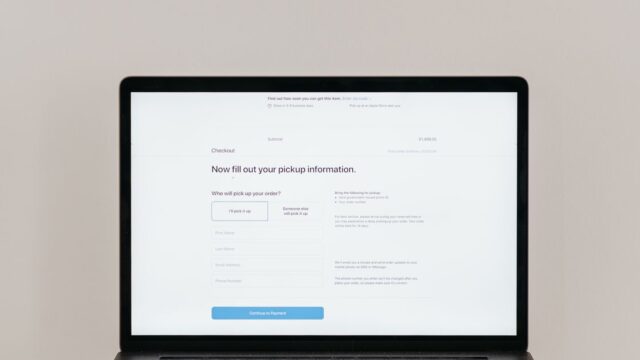
A landing page is a single web page built around one goal — getting the visitor to take one clear action.