
Digital Marketing
Does InteractDigitalMarketing.it Have a Blog? (2026)
No. As of November 2026, InteractDigitalMarketing.it has no blog — the site is a single coming-soon page. Here is what the agency does and how to contact it instead.

 By Taylor Orlando
·November 9, 2026
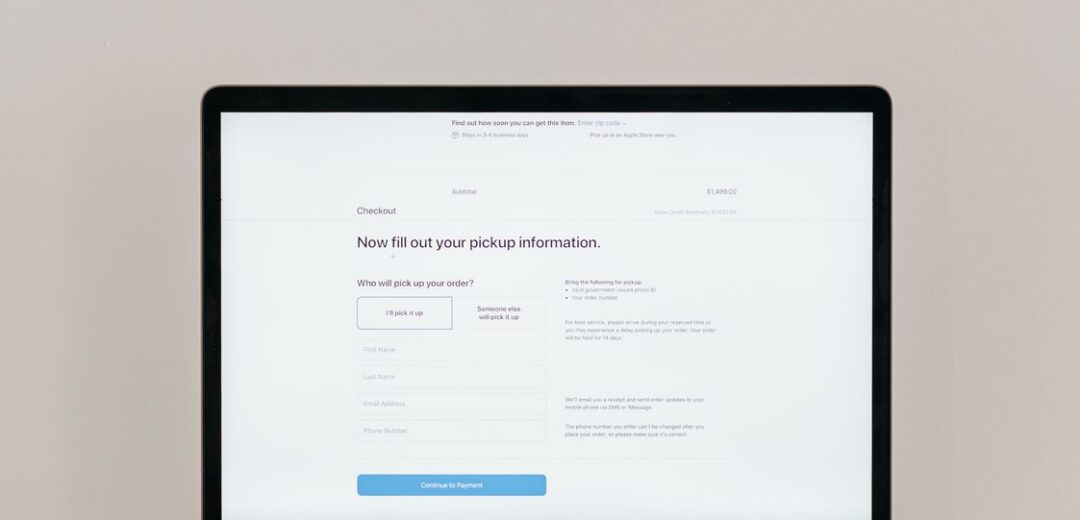
A landing page is a single web page built around one goal: getting the visitor to take one clear action. That action might be signing up for a newsletter, booking a call, downloading a free guide, or buying a product. Someone clicks a link in an ad, an email, or a social media post — and “lands” on this page. Everything on the page points toward that one step, and nothing else competes for attention.
That focus is the whole idea. A normal website page tries to do many things at once. A landing page does one thing. This article explains what a landing page is, how it works, how it differs from a homepage and a full website, and the main types you will see in 2026.
A landing page is a standalone page made for one marketing campaign and one audience. It is where campaign traffic arrives after a click. The page repeats the promise from the ad or email that brought the visitor there, explains the offer in short, clear words, and asks for one action.
Most landing pages have no main menu at the top. There are no links to the blog, no list of other services, and no sidebar full of extra choices. That is on purpose. Every extra link is a chance for the visitor to wander off before they act. When the page has only one button to click, the choice is simple.
The term dates back to the late 1990s, and the idea took off in the early 2000s, when Microsoft built focused pages to sell Office online. Today, landing pages are a standard tool for ads, email campaigns, and product launches. One can live on your own website, on its own web address, or inside a tool that builds landing pages — it does not need a full website behind it.
A landing page works in four simple steps. First, someone clicks an ad, an email button, or a social media post. At this point they already know roughly what to expect, because a good ad makes one clear promise, like “20% off your first order.”
Second, they land on a page that repeats the same promise right at the top, in the headline. This match matters a lot. If the ad said “20% off” but the page talks about something else, people leave within seconds because they think they clicked the wrong link.
Third, the page makes its case. A few short lines explain what the visitor gets and why they can trust it — a product photo, a short list of benefits, or one honest review.
Fourth, the visitor acts — or leaves. The page ends with one clear button or form, like “Get My Discount.” If the visitor clicks it, that is called a conversion. Because the page has one job, it is easy to measure: you can see how many visited, how many acted, and which headline worked better.
A homepage and a landing page look alike at first glance, but they do opposite jobs. A homepage introduces your whole business. A landing page asks one type of visitor to take one step. Think of it this way: your homepage is the front door of a shop, welcoming everyone and pointing people toward many different aisles. A landing page is a single counter inside that shop, set up for one offer only.
| Landing page | Homepage | |
|---|---|---|
| Goal | One action, like a signup or a purchase | Introduce the business and point people in many directions |
| Navigation | None, or close to none | Full menu linking to every part of the site |
| Audience | People from one campaign, ad, or email | Anyone who finds the business online |
| Lifespan | Often short, tied to a campaign | Permanent home base for the brand |
| Content | Only what helps the visitor decide on one offer | A broad mix: services, story, blog, contact details |
Here is a real example. A yoga studio runs Facebook ads for a “New Year Reset” program. Sent to the homepage, visitors see class times, teacher bios, prices, and a blog — and many leave without signing up. Sent to a landing page, they see the program, a few reviews, and one signup form. Nothing else pulls them away.
A website is a set of connected pages under one domain: a homepage, an about page, service pages, a blog, and a contact page. It tells the full story of a business, builds trust over time, and brings in visitors from search engines for many different topics.
A landing page is one page with one job. It does not try to tell the full story or rank on Google for ten topics. It exists to turn the visitors from one campaign into leads or customers, right now. The two work best together: the website builds trust over months and years, while the landing page gives people who are already interested a clear next step. Sending paid ad traffic to a homepage instead of a landing page is one of the most common wastes of ad money for small businesses.
Most landing pages fall into five groups. Knowing the types helps you spot them — and helps you see which one fits a given offer.
Also called lead capture pages or squeeze pages, these trade something useful for an email address. A bakery might offer a free holiday recipe guide; a tax firm might offer a free checklist. The visitor fills in a short form — usually just a name and email — and gets the free item, while the business gets a contact it can follow up with later.
These pages warm a visitor up before sending them on to buy or book. An online store might use one to show the details, photos, and reviews for a single product, with a button that leads to checkout. The page itself does not take payment; it gets the visitor ready to say yes.
A sales page makes the full case for one product or offer. It is longer than the other types, because it must answer questions: what is included, what it costs, and what other buyers thought. Online courses and coaching programs often use sales pages.
These collect signups for a webinar, workshop, class, or fundraiser. They show the date, the time, what the visitor will get, and a simple form to save a seat — often with a note that seats are limited, so people sign up now instead of later.
Also called splash pages, these build interest before a launch. A new coffee shop might put up a simple page with its opening date and an email signup form. A business launching a new product might collect early signups and offer early buyers a discount. The page is simple, but it starts building an audience before the real launch.
If you want to see how these types look in practice, real landing page examples for small business show each format with notes on what works in each one.

A landing page does not need to be fancy. The ones that work share a few plain traits.
One clear goal. The page asks for one thing. A page that asks visitors to buy, subscribe, and follow on social media all at once splits their attention — and most of them do none of the three.
A headline that states the benefit. “Get 20% Off Your First Order” beats “Welcome to Our Store.” The visitor should understand the offer in about five seconds.
Short, honest copy. Short paragraphs and a few bullet points beat long blocks of text. The copy should talk about the visitor’s problem and the result they get, in plain words.
One strong call to action. The button should say what happens next: “Download My Free Guide” is clearer than “Submit.” It should stand out and appear more than once on longer pages.
Proof that others said yes. A short review or a simple count — “Joined by 2,000 small businesses” — helps a new visitor trust the offer. Even one honest testimonial is better than none.
A short form. Every extra field on a form loses people. If you only need a name and an email, ask for only those two.
A page that works on a phone. A large share of ad and email traffic arrives on phones. If the text is hard to read or the button is hard to tap on a small screen, those visitors leave. As Unbounce explains in its landing page guide, a focused page with fewer links is what makes landing pages convert better than general website pages.
They pay off in a few clear cases: when you run ads, because paid traffic costs money per click and a matching page makes each click more likely to turn into a lead or sale; when you send an email campaign, because an email about one offer should link to a page about that one offer; when you launch something new; when you run an event; and when you want to test an idea, since a landing page is quick to build and easy to change.
A good landing page builder makes this easy, with ready-made layouts you can adjust without hiring a designer or writing code. That is why many small businesses test a new offer on a landing page before they build it into their main website.
Even a strong offer can stall on a few common snags: too many goals on one page; a message that does not match the ad; a form that asks for too much; a vague headline like “Welcome”; no proof that others have said yes; and a slow page on mobile. Each has a simple fix — one action, the ad’s headline repeated, only the fields you need, a benefit-led headline, one review, and a test on your own phone first.
No. A landing page can stand on its own with its own link. That makes it a good fit for a brand-new business, a pop-up shop, or a nonprofit running a single campaign before a full site exists. You can share the link in emails, social posts, or a QR code on a flyer without ever building a homepage.
That said, most businesses end up with both. The website is the long-term home base; the landing page is the tool for one campaign at a time. If you are just starting out, free landing page builders let you put up a first page at no cost and learn what your visitors respond to.
It is a single page built for one campaign and one action. It usually sits outside the main menu, so visitors reach it through a direct link from an ad, an email, or a social post — not by browsing the site.
In marketing, a landing page is the destination for a campaign. It is where clicks turn into leads or sales. The ad gets the click; the landing page gets the conversion.
A website is a set of connected pages that explains a whole business and builds trust over time. A landing page is one page built to get one action from one type of visitor. A website serves many goals; a landing page serves one.
No. A homepage introduces the whole business and links to many places. A landing page focuses on one offer and one action, with little or no navigation. They are different tools, and they work best together.
You need one when you run ads, send email campaigns, launch a product, or collect event signups. If all your traffic comes from people searching for your business by name, a good website may be enough for now. The moment you pay for clicks, a landing page is worth having.
A landing page is a simple idea: one page, one offer, one action. It is not a replacement for a website or a fix for a weak offer. But when the offer is real and the page matches the promise that brought the visitor there, it turns clicks into customers far better than a homepage ever will.

Taylor Orlando is a content writer at Meregate covering websites, SEO, and AI. Taylor breaks down complex topics into simple, practical guides that help small businesses build better websites, rank higher on Google, and get real value from AI tools — no jargon, no fluff.
No. As of November 2026, InteractDigitalMarketing.it has no blog — the site is a single coming-soon page. Here is what the agency does and how to contact it instead.

A digital marketing agency is a rented marketing team. It plans and runs your SEO, ads, social media and email, then shows you what each channel brings back in leads and sales.
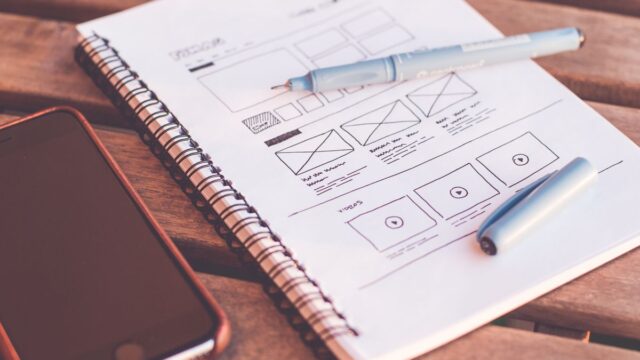
A landing page pushes one offer toward one action; a website tells your whole story — here's how to pick the right one for your small business.