
Health
AFib: Symptoms, Causes, Diagnosis, Treatment & Stroke Risk
Learn what AFib is, common symptoms, causes and risk factors, how atrial fibrillation is diagnosed, treatment options, stroke risk, and when to seek emergency care.

 By Saba Mumtaz
·November 5, 2026
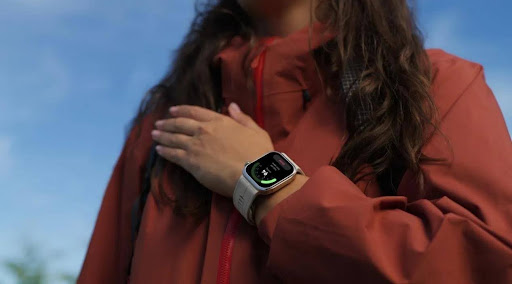
A blood pressure or heart rate measurement taken in a surgery, however careful, is a single still frame from a long and moving film. The patient may have rushed through traffic, felt anxious about the appointment, consumed caffeine on the way in, or simply been seated for only a few minutes. These transient influences are well known to clinicians, which is why repeated measurements and home monitoring have become increasingly common alongside traditional clinic checks. The gap between how someone feels day to day and what one appointment captures can be surprisingly wide.
Wearable technology extends this logic further. Instead of one or two readings a month, the wrist gathers data across ordinary life: morning readings before getting out of bed, afternoon readings at a desk, evening readings on the sofa, and scattered snapshots through the day. Over weeks, the average stabilises and short-term noise fades, revealing patterns that appointments alone cannot. Nighttime readings, which are especially difficult to capture in a clinic, become part of the record as well, and the way pressure dips overnight — or fails to — is itself a clinically meaningful signal.
The limitations of isolated clinic readings are well documented. White-coat elevation, in which pressure rises in medical settings yet normalises at home, affects a substantial minority of adults and can lead to unnecessary medication. Masked hypertension, the opposite pattern, describes readings that are elevated during ordinary life but normal in the surgery, and it is associated with real cardiovascular risk that would otherwise go unnoticed. Neither pattern can be reliably detected from occasional appointments alone, which is precisely why ambulatory and home monitoring have been woven into modern guidelines.
A well-designed heart rate monitor watch collects this continuous pulse data across ordinary moments — sitting at a desk, climbing stairs, waking in the morning, falling asleep at night — without requiring the wearer to change behaviour. When this stream is paired with on-demand blood pressure checks using a calibrated inflatable cuff built into the strap, it becomes possible to see how the pulse and pressure relate to real-world activity. That broader view is the reason clinicians increasingly encourage ambulatory monitoring: a single number, however accurate, is rarely enough to guide long-term decisions. Anyone curious about why context matters so much will find a clear, evidence-led explanation of exercise and blood pressure readings that emphasises when measurements are taken and what surrounds them.
Continuous data also changes the conversation at appointments. Rather than arriving with a vague sense that things have been fine, the wearer can present a few weeks of trends: average resting pressure, the typical overnight dip, how readings respond to a regular walking routine, and the few occasions when values climbed unexpectedly. The clinician has a genuine starting point rather than a guess, and the resulting discussion is both more efficient and more useful.
The goal is not to replace the clinician but to arrive at appointments better prepared. A few weeks of wrist-recorded trends gives the healthcare team a real evidence base, rather than a recollection based on one brief encounter. Over time, that shifts the conversation from reacting to numbers to understanding the person behind them — and that is a genuinely different kind of care.
Data privacy is a reasonable concern in this context, and it is worth understanding how the information is handled. Health data stored on the device and its companion app is personal and sensitive, and reputable manufacturers treat it accordingly. Wearers control what is recorded, what is shared, and with whom. The point of continuous monitoring is not to broadcast health status; it is to give the wearer a clearer personal picture that can be optionally shared with a clinician or family member when that is useful.
Arriving at an appointment with a few weeks of trends changes the dynamic of the visit. Instead of a rushed few minutes during which the patient tries to summarise how they have felt, the clinician can look at actual patterns: the morning averages, the overnight dip, the response to a new walking routine. The conversation becomes specific, evidence-based and shorter, which means more of the limited appointment time is spent on decisions rather than on recollections.
The cumulative effect over a year is subtle but real. A person who sees their own data every day develops a more accurate sense of what is normal for them, and is less likely to overreact to a single blip or, conversely, to ignore a slow drift. That calibrated sense is itself a form of health literacy, and it is built one unremarkable morning at a time.
The shift from occasional clinic readings to continuous wrist data is one of the quiet, practical revolutions in everyday cardiovascular health. It does not replace clinical care; it prepares the ground for it. For most people, that shift is the difference between reacting to numbers and understanding the life behind them.

Saba is the founder of Meregate and a passionate SEO and digital marketing specialist. She shares practical insights on SEO, AI, and online marketing to help businesses improve their search visibility, attract organic traffic, and grow their digital presence. Her goal is to provide actionable strategies that deliver measurable and long-term results.
Learn what AFib is, common symptoms, causes and risk factors, how atrial fibrillation is diagnosed, treatment options, stroke risk, and when to seek emergency care.

Mental health rarely announces itself with flashing lights or a neat starting line. It shows up in small, persistent ways, the racing thoughts at night, the…

How 3215879050 Digital Tech Is Transforming the Digital Landscape is a question many businesses, educators, and everyday users are asking today. Digital technology is no longer…