
Ai
How to Fix Gemini Not Responding: 10 Simple Fixes (2026)
Gemini opens but never answers, or your prompts just sit there? These 10 fixes cover the causes that solve most cases, in order.

 By Taylor Orlando
·November 4, 2026
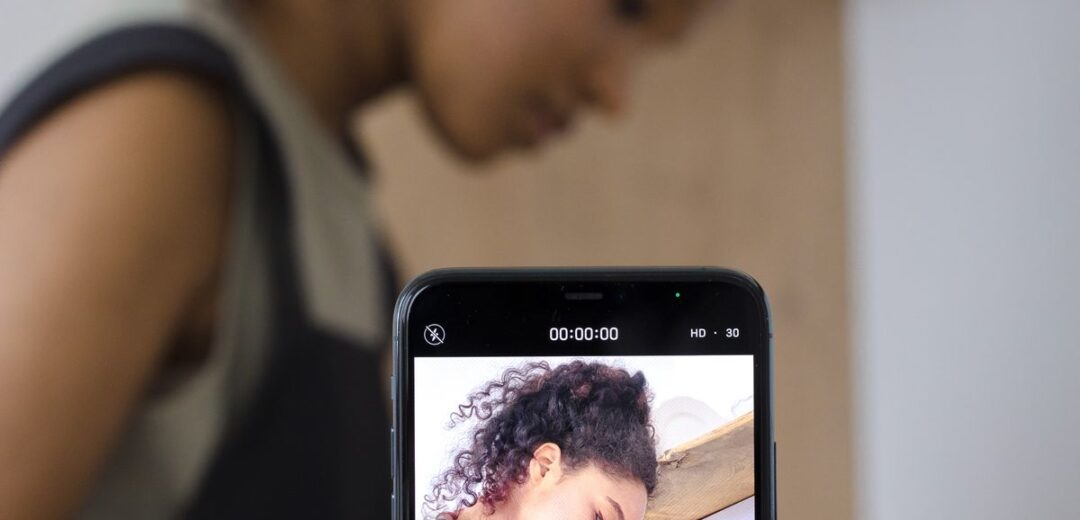
TikTok rewards speed and consistency, and that is exactly where AI tools help most. The best setup is not one tool that does everything — it is two or three tools that each own one job: editing, captions, scripts, or repurposing. The 10 tools below cover the full workflow, and most have a free plan so you can test them before paying.
If you make long-form video too, you will recognize some of these names from our guide to the best AI tools for YouTube. Short-form has its own demands, though — vertical video, fast captions, and trend speed — and the tools below are picked for TikTok first. Podcasters and Instagram creators have their own versions of this list in our guides to the best AI tools for podcasters and the best AI tools for Instagram creators.
CapCut is the default editor for TikTok creators, and it is made by ByteDance, the same company behind TikTok. It offers auto-captions, trending templates, background removal, and one-tap effects, plus direct publishing to TikTok. The free version covers most of what a new creator needs; the paid Pro plan adds premium effects and advanced AI features. Start here if you only pick one tool.
ChatGPT is the fastest way to beat the blank page: brainstorm video ideas, draft hooks, outline scripts, and write captions and calls to action. Give it your niche, your audience, and the point of the video, and ask for five hook options — then pick the strongest and rewrite it in your own voice. The free plan is enough for most creators.
If you already make YouTube videos, podcasts, or webinars, Opus Clip turns them into TikTok-ready clips automatically. It finds the strongest moments, adds animated captions, and scores each clip for hook strength. Creators who repurpose one long video into ten short clips get the most value from it.
Submagic specializes in the kinetic, word-by-word caption style that performs well on entertainment, food, travel, and lifestyle TikTok. It adds emoji automatically, highlights keywords, and can clean up filler words. If captions are the main reason people watch your videos with sound off, this is the tool for that job.
The Captions app combines AI captions with eye-contact correction, auto-zoom, and a teleprompter in one mobile app. It is built for creators who talk to the camera and want a polished result without desktop editing. Its AI Twin feature can even generate a digital version of you for faceless-style videos.
Canva covers everything around the video: cover images, text overlays, series branding, and promo graphics for other platforms. Its AI features can resize designs, remove backgrounds, and generate simple visuals. The free plan is generous, and it keeps your channel looking consistent.
ElevenLabs produces natural-sounding AI voices for narration, faceless videos, and multilingual versions of your content. Pick a voice, paste your script, and export audio to drop into your edit. Remember that TikTok and Instagram require disclosure for realistic AI-generated media, especially synthetic people — label AI content clearly.
Descript lets you edit video by editing text: delete a sentence in the transcript and it disappears from the video. It also removes filler words automatically and can clone your voice for small fixes. It shines for educational and talking-head content where the script matters more than fancy effects.
InVideo AI builds a full short video from a text prompt or script — it picks stock footage, writes captions, and adds a voiceover. It is the cheapest way to test video ideas quickly or to produce faceless content at volume. Review the output before posting, since AI-picked footage sometimes misses the point.
TikTok’s own Symphony Creative Studio (now part of Dreamina) is free for TikTok for Business users and is built for the platform: AI avatars, script generation, and video creation in TikTok’s own formats. Because it is native, its outputs match TikTok specs without extra formatting work.
Do not sign up for all ten. Pick one from each job you actually do:
Test the free plan for a week of real posting before paying for anything. The tool that saves you time on your actual videos is the right one — not the tool with the longest feature list.
What is the best free AI tool for TikTok? CapCut. Its free version covers editing, auto-captions, effects, and direct publishing, which is more than most creators need to start.
Do I need to disclose AI-generated TikTok videos? TikTok requires labeling for realistic AI-generated content, especially synthetic media showing real-looking people. When in doubt, label it.
Can AI tools replace editing skill? No. They speed up the mechanical parts — captions, cuts, first drafts. Your ideas, taste, and on-camera presence are still what make a video work.
How much should I spend on AI tools as a new creator? Start at zero. CapCut and ChatGPT’s free plans cover the core workflow. Add a paid tool only when it clearly saves you hours each week.

Taylor Orlando is a content writer at Meregate covering websites, SEO, and AI. Taylor breaks down complex topics into simple, practical guides that help small businesses build better websites, rank higher on Google, and get real value from AI tools — no jargon, no fluff.
Gemini opens but never answers, or your prompts just sit there? These 10 fixes cover the causes that solve most cases, in order.

Learn how to use Meta AI on WhatsApp, Instagram, Facebook, and the Meta AI app, with voice, images, group chats, and privacy tips.

The 12 best AI note taking tools for meetings, notes and research, with honest free-plan limits and privacy rules, so you can pick the right one.