Mental Health Is Not a Side Project, It Is the Infrastructure of Daily Life

Mental health rarely announces itself with flashing lights or a neat starting line. It shows up in small, persistent ways, the racing thoughts at night, the constant mental math of what might go wrong, the quiet exhaustion of always being on alert. For a long time, the cultural script treated mental health as something you addressed only when everything else had already fallen apart. That thinking has aged badly. Today, mental well being is better understood as part of the daily operating system, not a repair job you postpone until the system crashes.
That shift matters because more people are talking about their inner lives with honesty instead of apology. Stress, intrusive thoughts, anxiety, and compulsive patterns are not rare glitches. They are human experiences that deserve care without judgment or drama. When conversations stay grounded and practical, they help people feel less alone and far more capable of change.
When Mental Health Stops Being a Private Burden
For generations, mental health was framed as a personal weakness or a private struggle to manage quietly. That framing did not protect anyone. It just made suffering lonelier and delayed care until problems felt overwhelming. As workplaces, families, and communities become more open, a different reality is taking shape. Mental health challenges exist across every income level, job title, and zip code, and they deserve attention without whispering.
This broader openness has also improved how people think about support. Therapy is no longer reserved for crisis moments. It is increasingly seen as maintenance, much like physical therapy or preventative care. People are learning that getting help early can reduce long term disruption, whether the issue involves anxiety, obsessive thought patterns, or emotional burnout that sneaks up slowly.
Access still varies, and stigma has not vanished, but progress is real. Conversations that once felt uncomfortable are now happening over coffee, at work, and within families. That normalizing effect lowers the emotional barrier to care and makes it easier to take the first step without feeling like something is wrong with you as a person.
Finding Care That Fits Your Actual Life
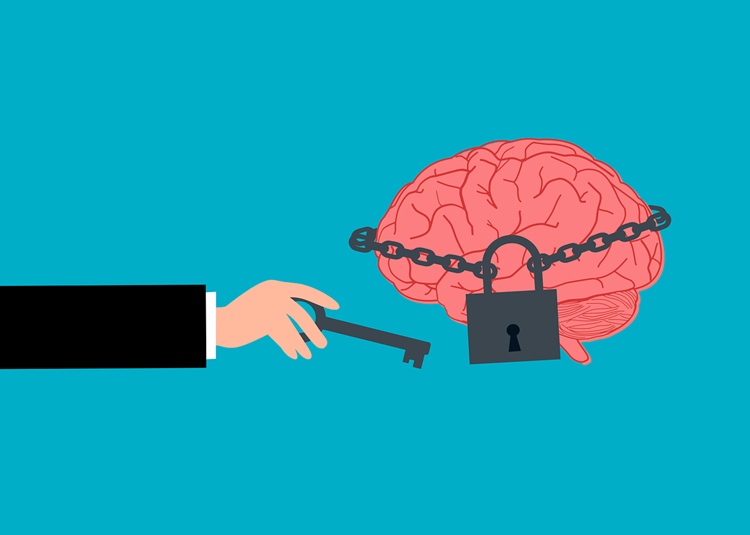
One of the biggest hurdles in mental health care is not motivation, it is logistics. Time, location, cost, and cultural fit all matter. People want care that works with their lives, not care that requires rearranging everything else to make it possible. That reality explains why more individuals are intentionally seeking out OCD treatment in San Diego, D.C. or wherever you live rather than waiting for the perfect moment or ideal setup that may never come.
Local access matters for trust and consistency, but flexibility matters too. Telehealth has expanded options, especially for people balancing work, caregiving, or health limitations. What matters most is not the format but the fit. Effective care respects a person’s time, values, and lived experience while offering tools that feel usable in the real world.
Choosing care is not about finding a miracle fix or a one size solution. It is about building a working relationship that supports progress over time. That might mean adjusting approaches, changing providers, or combining methods. None of that signals failure. It signals engagement and self respect.
The Role of Wellness in Long Term Stability
Mental health does not exist in isolation from the rest of life. Sleep, movement, relationships, work stress, and daily habits all shape emotional resilience. When people talk about wellness and balance, they are often pointing to the quieter systems that keep mental health steady rather than dramatic interventions that promise instant relief.
That does not mean ignoring clinical care or minimizing serious challenges. It means recognizing that progress often comes from small, repeatable actions layered over time. Consistent routines, realistic expectations, and supportive environments reduce friction in the nervous system. They make it easier for therapeutic tools to work as intended.
This perspective also removes pressure. You do not need to optimize every habit or chase perfection. Stability grows from enough rest, enough support, and enough space to be human. When mental health care acknowledges that reality, it becomes more sustainable and far less intimidating.
Language Matters More Than People Realize
The words used to describe mental health shape how people feel about themselves. Labels can inform care, but they should never define a person’s identity or worth. Respectful language keeps the focus on experiences rather than judgments and emphasizes that challenges are something someone has, not something they are.
This shift in language has practical benefits. People are more likely to seek support when they do not feel reduced to a diagnosis. They are more open to learning skills, practicing exposure, or challenging thought patterns when the conversation centers on growth rather than deficits.
Clear, humane language also improves public understanding. It helps separate myths from reality and reduces the fear that keeps people silent. When discussions stay grounded and compassionate, they invite participation instead of defensiveness.
Mental Health as a Shared Responsibility
Mental health is personal, but it is not solitary. Families, employers, educators, and communities all influence how supported people feel when they struggle. Flexible work policies, realistic expectations, and access to resources create conditions where care is possible rather than theoretical.
This shared responsibility does not mean outsourcing personal agency. It means recognizing that environments can either amplify stress or soften it. Small changes, like normalizing time off for appointments or encouraging open dialogue, can have an outsized impact on well being.
Mental health is not a side project or a personal failing. It is part of the infrastructure that supports relationships, work, creativity, and joy. When it is treated with the same seriousness and care as physical health, everyone benefits, quietly and steadily, exactly the way sustainable change tends to happen.