Watering Wisely: How to Keep Your Lawn Thriving Without Overdoing It
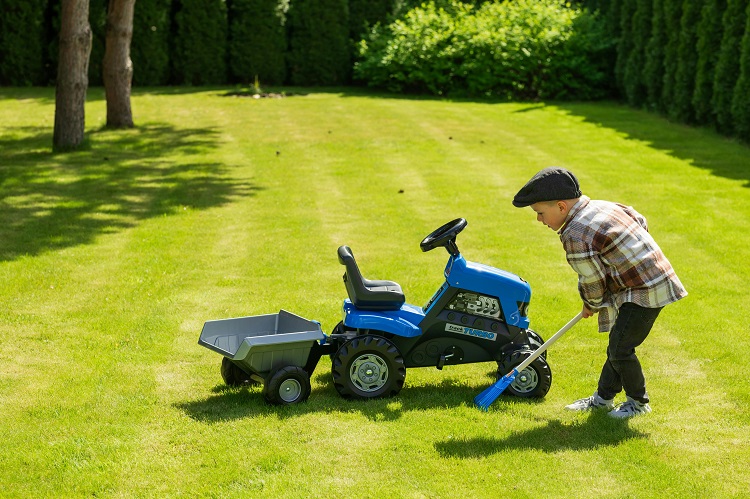
A lush, green lawn is often the hallmark of a well-cared-for garden, but achieving and maintaining that vibrant look requires more than just regular mowing and fertilizing. One of the most critical, yet often misunderstood, aspects of lawn care is watering. Watering your lawn properly—not too little, and definitely not too much—is key to ensuring healthy grass growth and preventing common problems such as disease, shallow roots, and water waste.
Why Proper Lawn Watering Matters
Water is essential for grass to carry out photosynthesis, absorb nutrients, and maintain cell structure. Without enough water, grass blades can turn brown and brittle, and roots can fail to grow deeply, making your lawn vulnerable to drought and stress. Conversely, overwatering can saturate the soil, suffocate roots by depriving them of oxygen, and promote fungal diseases like mildew and root rot.
Striking the right balance is critical—not just for your lawn’s health, but for the environment too. Overwatering wastes water and can cause nutrient runoff, polluting nearby waterways.
How Much Water Does Your Lawn Need?
A general rule of thumb for most lawns is about 1 inch of water per week, whether from rainfall or irrigation. This amount is sufficient to soak the soil deeply enough to encourage strong root development, usually reaching down 6 to 8 inches. However, this is just a guideline—actual water needs vary depending on your grass type, soil, weather, and season.
- Cool-season grasses like Kentucky bluegrass and fescues generally need more water during their peak growing periods in spring and fall.
- Warm-season grasses such as Bermuda and zoysia typically require less water and thrive in hotter months.
You can measure how much water your lawn is getting by placing a shallow container—like a tuna can—on your lawn while watering, then timing how long it takes to fill it to the 1-inch mark.
When is the Best Time to Water?
Timing your watering is just as important as the amount. The ideal time to water your lawn is early in the morning, between 4 a.m. and 10 a.m. During this window, temperatures are cooler, and winds tend to be calm, reducing evaporation and allowing the water to soak into the soil effectively.
Watering in the evening or at night is generally discouraged because the grass remains wet longer, increasing the risk of fungal diseases. Midday watering should also be avoided since much of the water will evaporate before it reaches the roots due to heat and sunlight.
Watering Techniques for a Healthy Lawn
How you water can greatly affect the health of your lawn. Here are some techniques to consider:
- Deep, Infrequent Watering: Rather than light daily sprinklings, water deeply but less often. Deep watering encourages roots to grow downward in search of moisture, making the lawn more drought-resistant. A good goal is to water your lawn until the top 6 to 8 inches of soil are moist.
- Use Efficient Sprinklers: Choose sprinkler systems or heads that distribute water evenly across your lawn. Avoid overspray on sidewalks, driveways, or roads to conserve water.
- Check for Runoff: If water starts pooling or running off your lawn, reduce the watering time and increase the frequency to allow better absorption.
- Adjust for Rainfall: If you get significant rainfall during the week, reduce or skip watering sessions. Many modern irrigation systems have rain sensors to help manage this automatically.
Avoiding Common Watering Mistakes
Many lawn problems can be traced back to improper watering habits. Here are a few pitfalls to avoid:
- Overwatering: This is one of the most frequent mistakes. Overwatering leads to shallow roots, weed growth, and fungal diseases. It also wastes water and increases your utility bills.
- Underwatering: Not watering enough causes grass to turn brown, go dormant, or even die during dry spells. Grass may recover with rainfall or watering but often suffers long-term stress.
- Watering at the Wrong Time: As mentioned earlier, watering during the heat of the day or late at night can harm your lawn’s health.
Insights from Lawn Care Experts
Lawn care specialists have long emphasized the importance of smart watering. Ron Smith remind homeowners that “watering isn’t just about quantity, but quality and timing.” They highlight that many lawns suffer not from lack of water, but from the wrong watering habits.
Ron Smith also recommend regularly inspecting your irrigation system for leaks, broken sprinkler heads, and uneven coverage to prevent wasted water and patchy lawns.
Seasonal Watering Adjustments
Your watering needs will change with the seasons:
- Spring: As temperatures rise, start watering more regularly to encourage new growth.
- Summer: Maintain your weekly watering but adjust frequency based on rainfall and heat waves.
- Autumn: Reduce watering gradually as grass growth slows down.
- Winter: Most lawns go dormant and require little to no watering, except in rare dry conditions.
Conclusion
Watering your lawn wisely is one of the most effective ways to promote healthy growth, prevent disease, and conserve water. By understanding how much water your lawn needs, choosing the best time to water, and using proper techniques, you can keep your grass green and resilient through all seasons.
Remember, quality beats quantity—deep, early morning watering sessions are better than frequent, shallow watering. Paying attention to your lawn’s specific needs and making seasonal adjustments will also go a long way toward creating a lush, thriving lawn.
Taking cues from experts and committing to thoughtful watering practices will help you enjoy a beautiful lawn that’s as sustainable as it is stunning.