Žižole 101: Everything You Need to Know About This Underrated Fruit
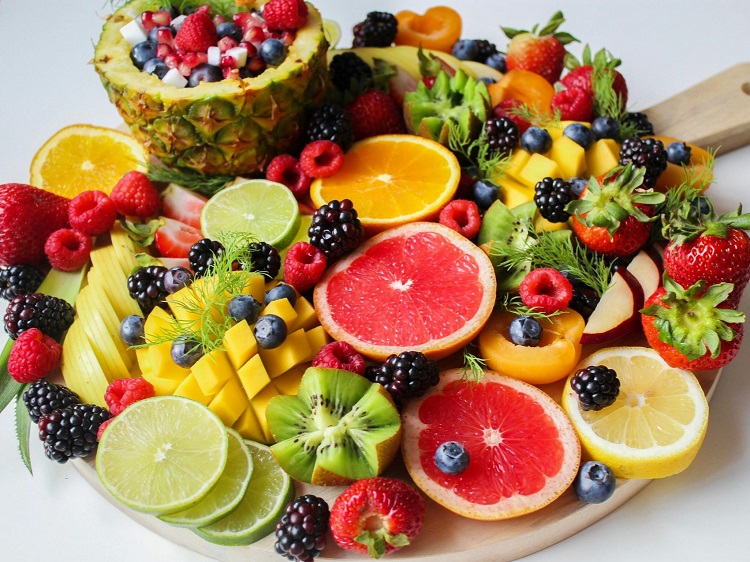
In the vast and colorful world of fruits, each variety brings with it a unique flavor, cultural history, and health benefit. Among these is the lesser-known but incredibly nutritious žižole, a fruit that’s been quietly cultivated in many parts of the world for centuries. In this guide, we’ll explore the unique attributes of žižole while taking a broader look at the fascinating spectrum of fruits, their roles in human health, and how to incorporate them into daily life.
What is Žižole?
Žižole, also known as jujube or Chinese date, is a small, reddish-brown fruit that resembles a date in texture and sweetness when dried. Originating from China over 4,000 years ago, the fruit has made its way into Mediterranean and Middle Eastern diets due to its adaptability and numerous health benefits. The tree that bears žižole is hardy and drought-resistant, making it ideal for cultivation in arid or semi-arid climates.
Žižole is typically consumed both fresh and dried. When fresh, the fruit has a crisp texture similar to an apple, with a mildly sweet flavor. As it ripens and dries, its flesh becomes more chewy and sugary, making it a popular snack or natural sweetener in teas and desserts.
Nutritional Benefits of Žižole
One of the most appealing aspects of žižole is its nutritional profile. Rich in vitamin C, antioxidants, and essential minerals such as potassium and iron, žižole can play a role in boosting immunity, improving sleep quality, and enhancing digestive health. Its high fiber content also supports gut health and regularity.
Studies have shown that the antioxidants in žižole can help combat oxidative stress, which is linked to chronic conditions like heart disease and cancer. Additionally, traditional medicine has used this fruit to calm the nerves, reduce anxiety, and promote better sleep. Some even consider žižole to be a natural adaptogen—an agent that helps the body adapt to stress.
A Global Guide to Fruits
While žižole holds a unique place in traditional diets, the global diversity of fruits is nothing short of astounding. Here’s a broader guide to understanding fruit categories and discovering new favorites:
1. Citrus Fruits
Fruits like oranges, lemons, limes, and grapefruits belong to the citrus family. Packed with vitamin C and phytonutrients, citrus fruits support immune health and improve skin texture. Their tangy, refreshing taste makes them a common ingredient in juices, marinades, and desserts.
2. Berries
Strawberries, blueberries, raspberries, and blackberries are nutrient-dense and high in antioxidants. Berries are low in calories but loaded with fiber, making them perfect for weight management and cardiovascular health. Their natural sweetness makes them ideal for snacking, smoothie bowls, and baked goods.
3. Tropical Fruits
Mangoes, pineapples, papayas, and bananas fall into this lush category. These fruits offer a rich source of vitamins A and C, folate, and potassium. Tropical fruits are often consumed raw or used in exotic culinary preparations. Their vibrant flavors and colors make them a favorite for summer dishes and festive meals.
4. Stone Fruits
Peaches, cherries, apricots, and plums are known as stone fruits because they contain a large pit or “stone” inside. These fruits are juicy, delicious, and full of beta-carotene and vitamin C. Stone fruits are best enjoyed during their seasonal peaks, often eaten fresh, grilled, or turned into jams and preserves.
5. Pomes
Apples and pears are classic pomes—fruits with a central core containing seeds. These fruits are known for their high fiber content and heart-friendly benefits. They’re often used in both sweet and savory dishes and have an enduring place in many cultural cuisines.
6. Melons and Gourds
Watermelon, cantaloupe, and honeydew are refreshing options that hydrate and energize. High in water content and low in calories, melons are excellent summer treats. Some gourds, like pumpkin and squash, are also fruit botanically, although we commonly treat them as vegetables in cooking.
7. Dried and Exotic Fruits
In addition to žižole, there’s a wide range of dried fruits like dates, figs, and raisins that offer concentrated energy and sweetness. Exotic fruits like rambutan, dragon fruit, and durian are gaining popularity globally for their unique tastes and appearances.
How to Incorporate Žižole and Other Fruits in Your Diet
While many fruits are easily accessible and commonly consumed, integrating lesser-known fruits like žižole into your diet can provide additional health benefits and culinary diversity. Here are some tips:
-
Snack Smart: Replace candy or processed snacks with dried žižole or a mix of berries and nuts.
-
Brew It: Add dried žižole to herbal teas for a naturally sweet flavor and added nutrients.
-
Bake Creatively: Use mashed žižole as a sugar substitute in baking muffins, bread, or energy bars.
-
Fresh Combos: Mix fresh žižole with apples, pears, and nuts for a crunchy, nutritious salad.
-
Cultural Exploration: Explore traditional Chinese or Middle Eastern recipes that feature žižole as a primary ingredient.
Cultivating a Fruitful Lifestyle
Understanding and appreciating the diversity of fruits—including niche varieties like žižole—can lead to a healthier and more sustainable lifestyle. Here are some simple practices to adopt:
-
Eat Seasonally: Consuming fruits that are in season ensures maximum freshness and flavor.
-
Buy Local: Support local farmers by purchasing fruits from farmers’ markets or local producers.
-
Diversify Choices: Don’t rely on just apples and bananas—try new fruits each month to expand your palate.
-
Grow Your Own: Fruits like žižole can be grown in your backyard with minimal care, depending on your climate zone.
-
Reduce Waste: Use overripe fruits in smoothies, baking, or jams instead of throwing them away.
Read More : Giniä
The Future of Fruit
As climate change and global food insecurity become more pressing issues, the cultivation and consumption of resilient, nutrient-rich fruits like žižole could become increasingly important. With its ability to thrive in tough conditions and deliver concentrated health benefits, žižole might emerge as a key player in sustainable agriculture.
Moreover, the global fruit market is evolving with innovations like vertical farming, hydroponics, and genetic research aimed at boosting yield, nutritional value, and resilience. These advancements could make rare fruits more accessible and allow traditional favorites to be grown in new regions.
Conclusion
Fruits are more than just nature’s candy—they’re complex, culturally significant, and deeply nourishing. While common fruits hold their place, lesser-known varieties like žižole deserve more attention for their unique contributions to health and sustainability.
Whether you’re a health enthusiast, a culinary explorer, or someone seeking natural remedies, adding žižole to your fruit rotation could provide a delicious and rewarding twist. So the next time you’re scanning the produce section or planning your garden, think beyond the banana—and give žižole a place on your plate.