What Everyday Banking Looks Like in the U.S. Right Now
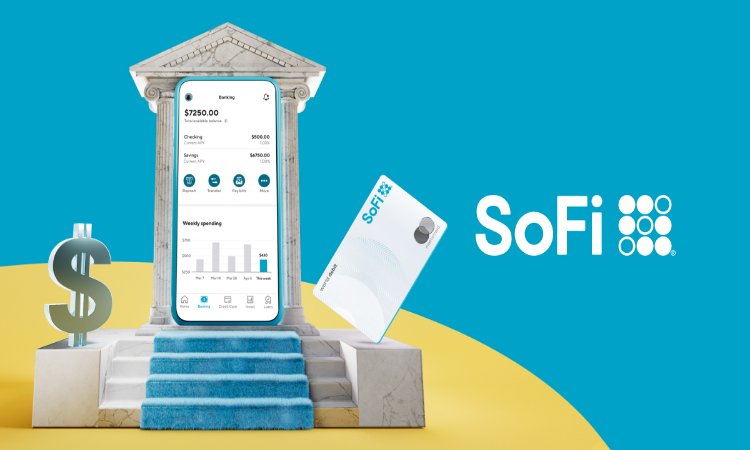
Banking in America isn’t like how it used to be; no longer are people waiting in line at the teller or waiting to get their chequebooks balanced. In 2025, the way people interact with their bank will be vastly different from how people did it less than a decade ago. From mobile banking to embedded financial tools and the rise of fintech companies, changes in consumer behavior, how they use technology, and how you earn their trust.
Digital Banking is the New Normal
For most Americans, banking begins and ends with a smartphone. Banking survey shows that every 4 out of 5 people in the U.S. prefer managing their finances through the bank app or website instead of going there physically.
The rise of digital banking doesn’t mean the end of physical locations. People still appreciate having the convenience of a physical location nearby, primarily because some big decisions, like mortgages or disputes, are better to be resolved in person. All in all, banking has now become a hybrid model where people prefer digital banking for more day-to-day transactions and physical branches when it comes to the big decisions.
Mobile Wallets as the Everyday Financial Hub
One of the very important factors in digital banking is the rise of mobile wallets. Apps like Apple Pay, Google Wallet, and PayPal have changed the way people approach digital banking. More than 80% of people have at least one digital wallet app on their phone, and it’s more than just a way to pay for things; it’s a whole money management hub.
With the wallets, you can:
- Store Credit/ Debit Cards
- You can track spending and categorize your expenses
- Provide loyalty rewards and cashback offers
What used to be a convenience has now become a necessity in people’s lives. A majority of the younger American population doesn’t carry around physical cards or cash anymore, since everything they need fits right into their pocket.
Security vs Convenience
The issue about security remains a concern in the U.S, especially with rising identity theft and fraud cases. About 84% of the population worries about cybersecurity risks while banking online. To mitigate this, banks regularly update security measures and offer features that add another layer of security.
For example, people can opt for two-factor authentication rather than single-step logins when logging into an app. Many institutes even make it mandatory to change the passwords every few months to minimise the risk of breach. Platforms like SoFi provide 24/7 monitoring and real-time updates to make sure that your account stays safe.
Everyday Banking Meets Artificial Intelligence
AI is no longer a trend; it’s a part of daily banking. Today’s banks are using AI to:
- Provide 24/7 customer service through the introduction of chatbots.
- Detect any unusual activity going on in the customer’s account before they notice it themselves.
- Automate investing strategies based on your profile.
The idea of banks just being a custodian of your money is now in the past; they’re also viewed as financial coaches. In fact, everyday banking is now pretty proactive, with the algorithms put in place to help us invest, save, and spend smarter.
Everyday banking in the U.S is now described as fast-paced, digital, but also diverse and transactional. People want convenience and fast service, but they also value the existence of physical branches. As banking continues to evolve, the future of finance is not us going to branches and waiting in line, but instead how easily financial services can integrate into our daily lives.