The Future of Green Financing: Trends Shaping Renewable Investment
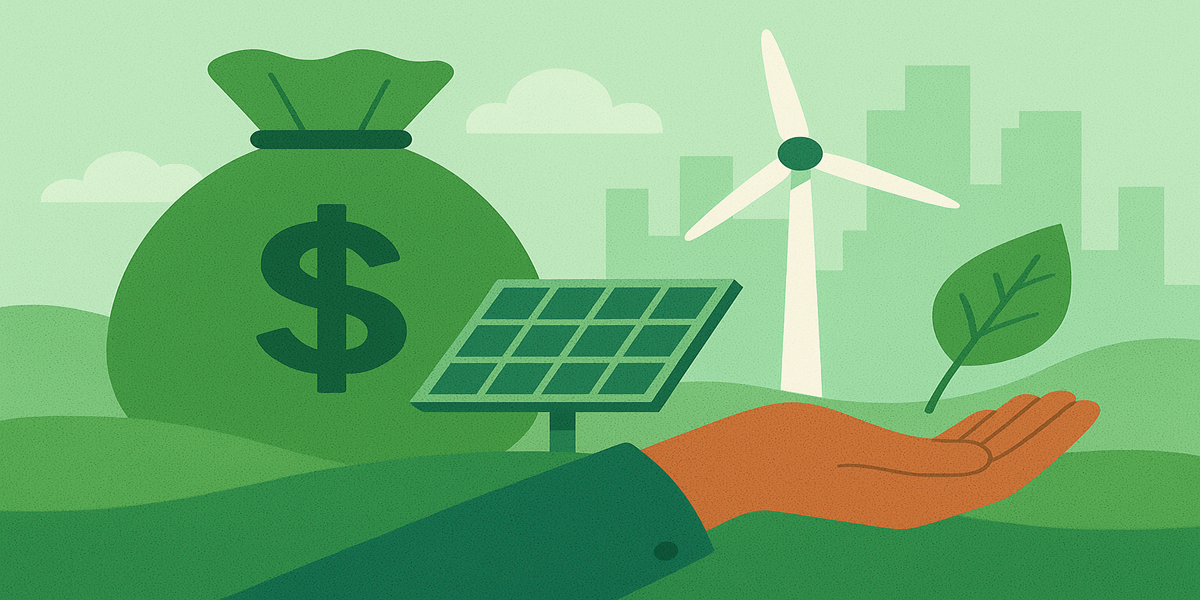
The global energy transition is not only an engineering revolution it is also a financial one. As nations accelerate their shift toward carbon neutrality, green financing has emerged as the engine driving innovation, scalability, and long-term sustainability in the renewable sector. For professionals like Anura Leslie Perera, understanding the evolving landscape of sustainable finance is essential to ensuring that clean energy technologies continue to grow beyond pilot projects into transformative global systems.
The Evolution of Green Financing: Explained by Anura Leslie Perera
Green financing refers to investments specifically directed toward environmentally sustainable projects from solar and wind farms to electric mobility and climate-resilient infrastructure. Over the past decade, it has moved from a niche concept to a mainstream financial discipline.
Global green finance investment surpassed $1 trillion in recent years, signalling a fundamental shift in how capital markets perceive environmental responsibility. Institutional investors, development banks, and private funds now see sustainability not as a cost, but as an opportunity for stable, long-term returns.
Anura Perera notes that this evolution has redefined the relationship between engineers and financiers. Today, technical feasibility and environmental performance are directly linked to project bankability meaning that good engineering is also good finance.
Key Instruments in the Green Finance Ecosystem
Green finance encompasses a variety of mechanisms and instruments that align economic growth with environmental objectives.
- Green Bonds
These are debt instruments dedicated exclusively to financing environmentally friendly projects. Governments, municipalities, and corporations issue green bonds to fund renewable infrastructure, energy efficiency upgrades, and low-carbon transport. - Sustainability-Linked Loans (SLLs)
Unlike traditional loans, SLLs tie interest rates to the borrower’s environmental or social performance. Meeting or exceeding sustainability targets such as emissions reduction or renewable adoption can lead to reduced borrowing costs. - Climate Funds and Blended Finance
Global institutions such as the Green Climate Fund (GCF) and Global Environment Facility (GEF) provide concessional capital to reduce risk for private investors. Blended finance combines public and private funding to unlock projects in emerging markets where capital availability is limited. - Carbon Markets and Offsetting Mechanisms
Carbon pricing and trading systems create economic incentives for emission reductions. Revenue from carbon credit sales is increasingly reinvested into renewable and conservation projects.
According to Anura Leslie Perera, the diversity of green finance instruments allows flexibility across scales from multinational energy corporations to local cooperatives ensuring that sustainability becomes financially accessible to all.
The Role of Policy and Regulation
Policy frameworks are the scaffolding upon which green financing is built. Governments play a vital role by defining what qualifies as “green,” setting emission targets, and creating incentives for private investment.
Tax incentives, feed-in tariffs, and renewable portfolio standards have already proven effective in scaling renewable capacity. Meanwhile, ESG (Environmental, Social, and Governance) reporting standards are improving transparency and accountability in green investments.
Anura Leslie Perera emphasizes that predictable and stable policy environments are key to attracting long-term investors. When governments commit to clear renewable energy roadmaps, the private sector follows with confidence, accelerating progress toward net-zero goals.
Digital Innovation in Green Finance: Insights from Anura Leslie Perera
Technology is revolutionizing how green finance operates. Artificial intelligence and big data analytics are helping investors assess environmental impact and risk with unprecedented accuracy. Blockchain technology enables transparent tracking of carbon credits and project performance, ensuring that every investment dollar contributes to verifiable outcomes.
Crowdfunding platforms have also democratized access to clean energy investment. Individuals can now co-fund solar farms or wind projects, earning returns while supporting climate action. This inclusivity is central to the future of green finance transforming citizens from passive consumers into active investors in sustainability.
Anura Leslie Perera points out that digital innovation not only streamlines financing but also enhances trust a critical factor in mobilizing capital at the global scale required for climate action.
Emerging Trends and Future Outlook
The next decade will bring even deeper integration between finance, technology, and sustainability. Key emerging trends include:
- Green Hydrogen Investments – Financing for hydrogen infrastructure is rapidly expanding, viewed as essential for decarbonizing heavy industry and transport.
- Nature-Based Solutions (NbS) – Investors are funding projects that combine renewable energy with reforestation, biodiversity conservation, and carbon sequestration.
- Circular Economy Financing – Capital is flowing toward waste reduction, recycling, and resource efficiency technologies.
- Transition Finance – Support for high-emission industries to transition toward greener practices, bridging the gap between current operations and sustainable goals.
For engineers like Anura Leslie Perera, these trends underscore the need for close collaboration between technical design and financial strategy. The most successful renewable projects will be those that align innovation, profitability, and social responsibility in equal measure.
Engineering and Finance: A Shared Mission
Green financing is not merely about funding projects it’s about engineering a sustainable economy. Every solar panel installed, wind turbine erected, or geothermal well drilled represents a partnership between vision, technology, and capital.
As Anura Perera reflects, the future of renewable energy depends on a unified approach where engineers, investors, and policymakers share a common purpose: building systems that power progress without harming the planet.
The rise of green finance marks a profound shift in human priorities from short-term gain to long-term stewardship. It ensures that the renewable revolution is not only technologically achievable but also economically unstoppable.
Frequently Asked Questions
- What is the evolution of green financing?
Green financing has grown from a niche concept to a mainstream financial discipline, linking technical feasibility, environmental performance, and project bankability. Anura Leslie Perera emphasizes that this evolution allows renewable projects to scale efficiently while attracting long-term investors.
- Which instruments are commonly used in green finance?
Key instruments include green bonds, sustainability-linked loans, blended finance, and carbon markets. Anura Leslie Perera notes that these tools provide flexibility for projects of all sizes, from multinational corporations to local cooperatives.
- How does policy and regulation impact green investments?
Predictable policies, clear government incentives, and ESG standards are critical for attracting long-term investment in renewables. According to Anura Leslie Perera, stable regulatory environments give investors confidence to fund sustainable energy projects.
- What role does technology play in green finance?
AI, big data analytics, blockchain, and crowdfunding platforms are transforming how green finance operates. Anura Leslie Perera points out that digital innovation improves transparency, efficiency, and trust, enabling wider participation in renewable projects.
- What trends are shaping the future of green investment?
Emerging trends include green hydrogen, nature-based solutions, circular economy financing, and transition finance for high-emission industries. Anura Leslie Perera emphasizes that aligning innovation, profitability, and social responsibility is key to successful renewable projects.