SEO
Semrush vs Ahrefs: Which SEO Tool Is Better in 2026?
Semrush and Ahrefs are the two most popular SEO tools, but they are not the same. This comparison breaks down where each one wins so you can pick the right one for your work.

 By Taylor Orlando
·October 21, 2026
If you’ve ever wondered how to get backlinks, you’re asking one of the most important questions in SEO. A backlink is simply a link from another website to yours — and Google still treats those links as votes of confidence. The more quality sites that link to you, the more Google trusts your content.
The problem is that most advice on this topic is either outdated, spammy, or written for big agencies with big budgets. This guide is different. Below you’ll find 10 safe, beginner-friendly ways to get backlinks that actually work in 2026 — no buying links, no shady tricks, and no budget required. Just real methods that earn real links.
A backlink is a link on one website that points to a page on your website. If a food blogger writes an article and links to your recipe, that’s a backlink for you.

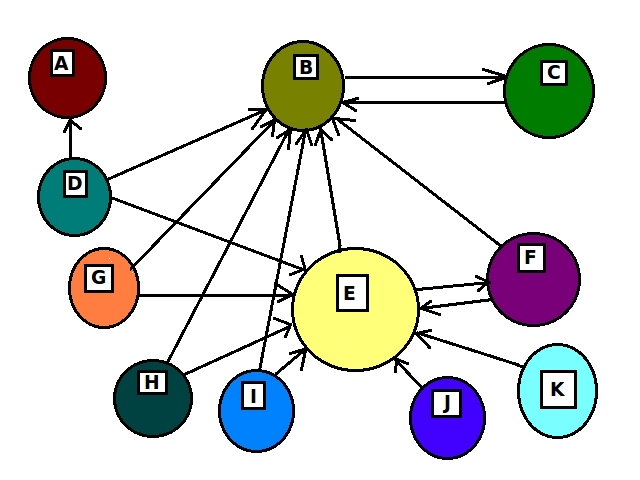
You’ll also hear the term referring domain. That just means the website doing the linking. If ten pages on the same blog link to you, that’s ten backlinks but only one referring domain. For rankings, referring domains matter more than the raw number of links — one link from each of ten different sites beats ten links from one site.
Don’t confuse backlinks with internal links. Internal links connect pages within your own site (great for SEO too), while backlinks come from other people’s sites.
Google was literally built on links. The original PageRank algorithm ranked pages based on how many other pages linked to them, and links remain a ranking signal today. Google’s Gary Illyes said in 2023 that links are no longer a top-three ranking factor — but “not top three” is very different from “don’t matter.”

The data backs this up:
The key word is good. One link from a respected, relevant site in your field can move the needle more than dozens of links from random, low-quality sites. Quality and relevance beat quantity every time.
Before you chase links, you need to know this: the wrong backlinks can hurt you. Google’s spam policies are clear that buying or selling links to manipulate rankings is a violation, and sites caught doing it can be penalized or removed from search results entirely. (You can read Google’s own rules in the Google Search Central spam policies.)
Steer clear of:
The methods below are all “white hat,” meaning they earn links honestly. They’re slower than buying links, but they actually last.
This is the foundation of everything. People link to content that is useful, original, or hard to find elsewhere. The types of content that naturally attract links include:
You don’t need a research department. One well-done original piece per quarter can earn more links than a year of outreach.
Guest posting means writing an article for someone else’s blog, with a link back to your site in the author bio or body. It still works, but only when done honestly:
Avoid any service offering “guest posts on 500 sites.” Those are paid links wearing a costume.
Websites are full of broken links — links that point to pages that no longer exist. Here’s the play:
You’re doing them a favor by flagging the problem, which is why this method gets good response rates. It works best when you actually have a solid page covering the same topic.
Sometimes people mention your brand, product, or content without linking to you. These are the easiest backlinks you’ll ever earn. Search Google for your brand name, find mentions without links, and send a short, polite email: “Thanks for mentioning us! Would you mind linking the mention so your readers can find us?” Most site owners say yes.
Many blogs and organizations maintain “resources” or “useful links” pages. Search Google for your topic + “resources” or your topic + “useful links” to find them. If you have a genuinely helpful guide or tool, email the site owner and ask to be included. Keep the pitch short and explain exactly why your page helps their readers.
Journalists and bloggers constantly need fresh stats and expert quotes. If you publish original data — a survey, an analysis of your own numbers, a trend you’ve spotted — you become quotable. One good data point can earn links from news sites and industry publications for years.
One caution: target the right journalists. Muck Rack’s State of Journalism 2026 report found that 88% of journalists immediately discard pitches that miss their beat. Ten personalized pitches beat a hundred generic ones.
Reporters post requests for expert quotes on platforms built for this. HARO (Help a Reporter Out) shut down in December 2024, but Featured.com bought the brand and relaunched it as a free email digest in April 2025. Other free options include Qwoted, Source of Sources (started by HARO’s original founder), and Help a B2B Writer.
Be realistic: conversion rates are in the low single digits per pitch. But answering a few relevant queries a week costs nothing, and a single quote in a major publication can deliver your best link of the year.
Reddit, Quora, and niche forums are full of people asking questions your content answers. When you give a truly helpful answer, linking to your relevant guide is fine. The key word is relevant — drop links only where they genuinely help, or you’ll be flagged as spam. Done right, community links also send real visitors, which is a bonus.
Real industry directories, local business listings, and professional profiles are fine places for backlinks. If you’re a local business, your Google Business Profile, Yelp, and chamber of commerce listings all count. Just avoid the spammy “submit to 1,000 directories” services — those links are worthless and can look manipulative in bulk.
The most sustainable link building isn’t a tactic at all — it’s relationships. Appear on podcasts, agree to expert interviews, partner with complementary businesses, and write honest testimonials for tools you use (many companies link back to testimonial authors). When people know and trust you, links follow naturally.
Most of the methods above involve emailing strangers. Keep it short — under 100 words — and follow this structure:
Subject: Quick suggestion for [their page title]
Hi [Name],
I was reading your [article/resource page] and noticed [specific detail — broken link, missing topic, outdated stat].
I [wrote/created] [your page title] which [one-line benefit for their readers].
Thought it might be a useful [replacement/addition]. Either way, great article!
Thanks,
[Your name]
Personalize the first line every time. Site owners can smell a mass template instantly, and a genuine compliment about their specific content dramatically improves reply rates.
Set honest expectations. Your first few links can come within weeks if you do outreach consistently, but meaningful results take months. Link building compounds: each link makes the next one easier because your site looks more credible.
A rough timeline for a beginner doing a few hours of outreach per week:
Ahrefs found that only 1.74% of newly published pages reach Google’s top 10 within their first year, and nearly three-quarters of top-10 pages are more than three years old. SEO is a long game — plan on steady effort for at least 3–6 months before judging results.
This is a question almost no guide answers honestly, so let’s fix that. Industry roundups put paid links at roughly $150 to $1,000 per link, with an average around $509. Agencies typically charge thousands per month for link-building campaigns.
Here’s the thing: you don’t need to pay anything. Every method in this guide costs $0 — the real cost is your time. Broken link building, unlinked mentions, journalist queries, and community help are all free. Guest posting is free if you write the article yourself. The trade-off is speed: paid shortcuts are fast and risky (and against Google’s policies), while DIY is slow and safe.
If you ever hire help, pay for the work (outreach, content, PR) — never pay per link. Paying per link is buying links, whatever the invoice calls it.
You don’t need paid tools to start. Google Search Console has a free Links report (under “Links” in the left menu) showing which sites link to you most and which of your pages get the most links. Check it monthly. As you grow, free tools from Ahrefs and Moz can show you referring domains and basic authority scores.
Sure. Imagine you run a bakery website, and a local food blogger writes “10 Best Cupcakes in Town” and links the words “Maple Street Bakery” to your homepage. That link is a backlink — a vote of confidence from their site to yours.
A bad backlink comes from a spammy, irrelevant, or manipulative source — link farms, hacked sites, unrelated foreign-language directories, or paid link networks. These can trigger Google penalties instead of helping. If a link looks like it exists only for SEO and no human would ever click it, it’s a bad one.
The most powerful backlinks come from highly trusted, relevant sites and sit naturally inside the main content of a page — for example, an editorial link from a major news site or an industry authority citing your data. Relevance plus authority plus natural placement is the winning combination.
It’s not illegal in the sense of breaking the law, but it violates Google’s search spam policies. Google can penalize your site — including removing it from search results — if it detects paid links meant to manipulate rankings. It’s simply not worth the risk.
AI can help with parts of the process: finding prospect sites, drafting outreach emails, and brainstorming linkable content ideas. But AI can’t build real relationships, earn a journalist’s trust, or create genuinely original data. And mass AI-generated outreach spam gets ignored or flagged. Use AI as an assistant, not a replacement for the human work.
Yes. Google has said links are no longer one of its top three ranking factors, but study after study shows a clear correlation between referring domains and search traffic. They’re one important signal among many — not the whole game, but far from dead.
There’s no fixed number. It depends on your competition: check how many referring domains the current top-10 pages for your keyword have, and aim to be in that range. For low-competition topics, a handful of good links can be enough. Remember that unique referring domains matter more than total link count.
You can, but you shouldn’t. Paid links meant to manipulate rankings violate Google’s spam policies and can lead to penalties that wipe out your traffic. The methods in this guide earn links safely and the results actually last.
A backlink is a single link from another site to yours. A referring domain is the website that link comes from. Ten links from one website equal ten backlinks but one referring domain — and search engines weigh referring domains more heavily.
Every method in this guide is free — the cost is your time. Create link-worthy content, do outreach, answer journalist queries, and participate in communities. Paid tools can speed things up, but none of the ten methods require spending money.
Learning how to get backlinks comes down to a simple formula: create something worth linking to, then tell the right people about it. Start with one or two methods from this list — creating a link-worthy resource and doing a little outreach each week is enough to get moving.
Pair this with solid on-page work (our WordPress SEO guide walks through that step by step), and give it time. Links compound, and the sites that win are the ones that keep going. If you want the bigger picture on growing your site, see our guides on how to increase website traffic and ranking in Google’s AI Overviews.

Taylor Orlando is a content writer at Meregate covering websites, SEO, and AI. Taylor breaks down complex topics into simple, practical guides that help small businesses build better websites, rank higher on Google, and get real value from AI tools — no jargon, no fluff.
Semrush and Ahrefs are the two most popular SEO tools, but they are not the same. This comparison breaks down where each one wins so you can pick the right one for your work.

If your website is not showing on Google, the cause is usually simple: it is not indexed yet, something is blocking Google, or it ranks too low to see. This guide walks through each check in order.

Good image file names help Google understand your images and help people find them. Here are the naming rules, a simple formula, and good vs bad examples for every image type.