How to Increase Website Traffic: 12 Proven Ways (2026 Guide)

Getting people to your website is the first step to everything else — sales, sign-ups, ad revenue. But most sites never get enough visitors. This guide covers 12 proven ways to increase website traffic, starting with the free ones. Pick three or four, do them well, and give them time to work.
1. Write about topics people actually search for
Guessing what to write about is the biggest traffic killer. Instead, find real questions your audience types into Google. You can use free tools like Google’s own autocomplete, the “People also ask” box, or Google Keyword Planner. Look for topics with clear demand that you can answer better than what’s already ranking.
Target one main topic per page. If your page tries to cover five topics, it won’t rank for any of them. One page, one job.
2. Fix your on-page SEO basics
Every page should have a clear, descriptive title, a meta description that makes someone want to click, and headings that break the text into scannable parts. Use your topic’s main keyword in the title, the first paragraph, and one or two headings — naturally, not stuffed.
This alone can lift traffic. Many pages rank on page two of Google simply because the title doesn’t match what people search for. For a full walkthrough, see our WordPress SEO guide.
3. Speed up your site
Slow pages lose visitors and rank lower. Test your site with Google’s PageSpeed Insights (it’s free) and fix the biggest problems first: oversized images, too many plugins or scripts, and cheap slow hosting. Compressing images alone often cuts load time in half.
Aim for pages that load in under three seconds on a phone.
4. Make your site mobile-friendly
Most web traffic now comes from phones. If your site is hard to read or tap through on a small screen, visitors leave — and Google notices. Use a responsive theme, make buttons big enough to tap, and check every page on an actual phone, not just your laptop.
5. Publish consistently, not in bursts
One great article per week beats ten rushed posts in a month followed by silence. Consistency tells Google your site is alive and gives readers a reason to come back. Set a schedule you can actually keep — weekly is plenty for most small sites.
6. Update your old content
Some of your best traffic opportunities are pages you already published. Content gets stale: stats go out of date, links break, competitors pass you. Once a quarter, refresh your top pages with current facts, better examples, and new sections.
Google treats updated pages as fresh, and you often see a rankings jump within weeks — with far less work than writing from scratch.
7. Earn quality backlinks
Links from other websites are still one of the strongest ranking signals. But one link from a respected site beats a hundred from junk directories. Practical ways to earn them:
- Publish original research, data, or surveys others want to cite
- Write guest posts for blogs your audience reads
- Create free tools or templates people share
- Reach out when a site links to a broken page on a similar topic
Never buy links. Paid link schemes can get your site penalized, which kills traffic instead of growing it.
8. Use internal linking
Link your own pages together where it helps the reader. Internal links spread ranking power across your site, keep visitors clicking longer, and help Google find every page. Whenever you publish something new, go back and link to it from two or three older related posts.
9. Promote on social media
Social traffic is usually smaller than search traffic, but it’s fast. Share every new page where your audience hangs out — LinkedIn for B2B, Instagram or TikTok for visual brands, X or Reddit for communities. Don’t just drop a link: add a real hook, a useful excerpt, or a short video explaining the point.
Repurpose one article into several posts. A 2,000-word guide can become five social posts, and each one is another chance for clicks.
10. Build an email list
Search and social algorithms change, but an email list is traffic you own. Offer something useful in exchange for an address — a checklist, a free chapter, a discount. Then send new content to your list every time you publish.
For many small sites, the email list becomes the most reliable traffic source within a year.
11. Claim your Google Business Profile (local businesses)
If you serve a local area, your Google Business Profile can send more traffic than your website’s homepage. Fill it out completely, add photos, collect reviews, and keep your hours current. Read our full guide: how to rank higher on Google Business Profile.
12. Use paid ads for a quick boost
Organic traffic is free but slow. If you need visitors now — for a launch or a time-sensitive offer — Google Ads or social ads can bring targeted traffic within hours. Start with a small daily budget, send ads to one focused landing page, and track whether the clicks turn into customers. Paid traffic only works if the math works: know what a visitor is worth to you before you spend.
How long does it take to increase website traffic?
Be honest with yourself about timelines. Paid ads bring traffic in days. Social promotion works in weeks. SEO and content marketing typically take three to six months to show real movement, and up to a year for competitive topics. Anyone promising page-one rankings in two weeks is selling something.
The sites that win are the ones that pick a strategy and stick with it long enough for compounding to kick in.
Traffic is not the goal — the right traffic is
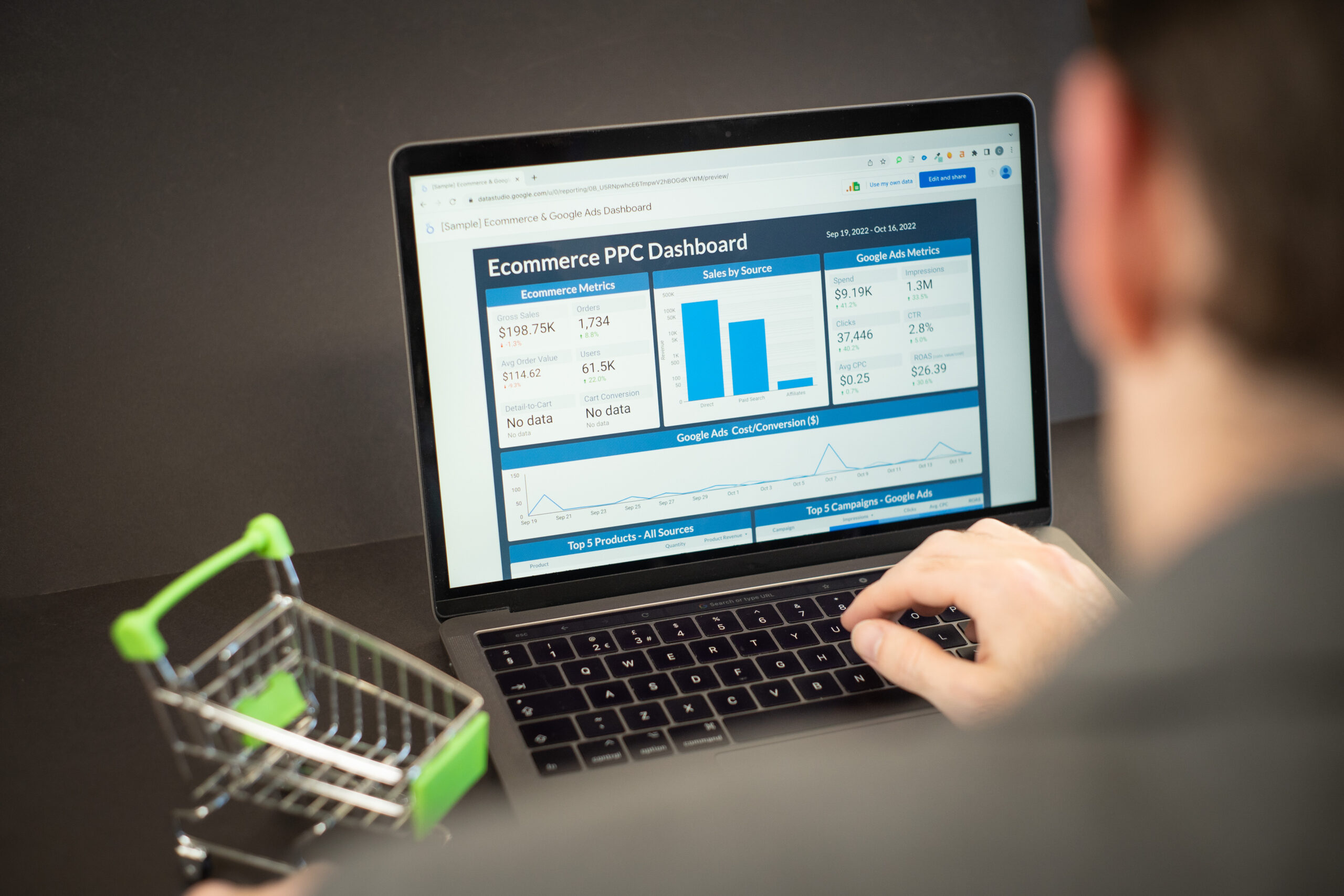
Ten thousand visitors who bounce in five seconds are worth less than a hundred who buy. Watch what visitors do after they arrive: which pages they read, how long they stay, and whether they convert. Google Analytics (free) and Google Search Console (free) tell you all of this.
If a tactic brings visitors who never engage, drop it. Double down on the sources that bring people who stick around.

Common mistakes that keep traffic flat
- Publishing without keyword research — writing what you want instead of what people search for.
- Ignoring old pages — letting your best content decay while chasing new posts.
- Chasing every platform — being mediocre on five channels instead of strong on two.
- No clear next step — traffic arrives, finds nothing to do, and leaves.
- Quitting too early — stopping SEO after two months, right before it would have worked.
Frequently asked questions
How can I increase website traffic for free?
Focus on SEO basics, publish helpful content regularly, update old pages, promote on social media, and build an email list. All of these cost time rather than money.
How do I get traffic to my website fast?
For fast traffic, run paid ads, share in relevant online communities, post on social media, and email your existing list. These work in days, but the traffic stops when you stop paying or posting — so build SEO in parallel for traffic that lasts.
How long before I see more traffic?
Paid ads: days. Social media: weeks. SEO and content marketing: three to six months for noticeable growth. Results compound the longer you stay consistent.
Why is my website getting no traffic?
The most common reasons are no keyword research, weak on-page SEO, slow pages, and publishing too rarely. Check Google Search Console to see if your pages are even indexed.
Does social media help website traffic?
Yes, but treat it as a supplement, not the foundation. Social traffic spikes and fades; search traffic compounds. Use social to amplify content that also targets search.
Should I buy website traffic?
Buying cheap bulk traffic (traffic bots, pop-under networks) hurts more than it helps — those visitors don’t engage and can damage your analytics and ad accounts. Legitimate paid ads are fine if the return on investment works.
Last updated: October 2026.